 11555 Heron Bay Blvd #242, Parkland, FL 33076

Tag Archives: marriage
How to Grow Individually Without Growing Apart


A Therapist’s Guide to Staying Connected While Becoming More Yourself
Is it possible to grow as individuals and as a couple? Absolutely. A couple’s therapist explains how to support personal growth without losing connection in your relationship.
“I love you… but I’m changing.”
“I need space to grow—but I don’t want to lose us.”
Sound familiar?
This is one of the most delicate dynamics I see in couples therapy: one or both partners are evolving—personally, professionally, emotionally and the relationship feels… off.
You still care. You’re still committed.
But something’s shifting.
Here’s the good news: you can absolutely grow individually without growing apart.
But it takes intention, communication, and a willingness to rewrite old relationship rules.
Let’s talk about how.
Why Individual Growth Is Good for the Relationship
First, let’s debunk a myth:
Healthy couples are not enmeshed. They are interdependent.
That means you’re deeply connected and have your own identities, interests, and inner worlds.
In fact, individual growth can actually energize the relationship:
- It brings in new ideas, passions, and stories.
- It keeps the relationship from stagnating.
- It allows each partner to thrive rather than shrink to fit.
But when growth is handled poorly, without communication or empathy, it can feel like distance, disinterest, or even betrayal.
How Growth Can Trigger Disconnection
Here are a few ways personal development can unintentionally shake a relationship:
- New interests create less shared time.
One partner starts running marathons, diving into grad school, or joining new communities—and suddenly your rhythms are off. - Shifts in values or identity emerge.
This might look like changing spiritual beliefs, evolving gender expression, or redefining life goals. - One partner feels “left behind.”
When one person is expanding and the other feels stagnant, it can stir up insecurity or resentment.
5 Ways to Grow Without Drifting
1. Name the Growth
Don’t hide your evolution.
Let your partner into the process—even if it feels messy or uncertain.
Say things like:
“I’ve been thinking a lot about who I want to be in this next phase.”
“I’m learning things that are changing how I see myself—and I want to share them with you.”
Inviting your partner into your internal world keeps them close.
2. Stay Curious About Each Other’s Changes
Your partner isn’t a static character—they’re a living, evolving human being.
Ask open-ended questions:
- “What’s been lighting you up lately?”
- “Has anything been shifting for you recently?”
- “What’s something new you’re learning about yourself?”
Curiosity is intimacy.
3. Create Rituals of Connection
Even if your schedules shift or interests diverge, rituals keep you grounded in “us.”
It could be:
- A weekly walk
- A Sunday coffee date
- A nightly 10-minute check-in
Consistency builds safety in times of change.
4. Communicate Boundaries With Care
Growth sometimes requires space—mental, emotional, or physical.
But space doesn’t have to mean distance.
Instead of disappearing, say:
“I need time to process some things alone—but I’ll check in with you after.”
That simple reassurance can make all the difference.
5. Reflect on Your Shared Future
Just because you’re growing doesn’t mean you’re growing apart.
Keep asking:
- “What kind of life are we still building together?”
- “What values still unite us?”
- “How can we support each other’s evolution while staying rooted in our ‘why’?”
When individual growth is woven into shared meaning, relationships become more flexible—and more resilient.
Final Thoughts: You Don’t Have to Choose
You don’t have to choose between yourself and your relationship.
In fact, your relationship should be one of the few places in your life where you can grow freely, unapologetically—and still be deeply loved.
The best partnerships don’t resist growth.
They make space for it—together.
Need help navigating individual growth as a couple?
Couples therapy can help you build a relationship that honors both we and me.
“It’s Just a Like”—How Social Media Affects Relationships More Than You Think

🧠 “Why were you liking her photos at 2 a.m.?”
💔 “You never post me. Are you embarrassed to be seen with me?”
😡 “He replied to her story in less than a minute, but hasn’t texted me back all day.”
Sound familiar?
As a couples therapist, I can tell you: social media comes up in the therapy room more than almost anything else.
It’s not just about jealousy or attention—it’s about visibility, boundaries, and emotional security.
Let’s talk honestly about how social media can affect your relationship—and how to keep it from becoming a third partner in your marriage.
📱 It’s Not Just an App
Social media might live in your phone, but it affects how you see yourself, how you view your partner, and how you measure the health of your relationship.
It’s a mirror. It’s a stage. And sometimes, it’s a weapon.
Here’s how it can quietly shape your connection:
1. The Comparison Trap
You see your friend’s anniversary reel with matching outfits and rose petals on the bed.
You start wondering: “Why don’t we do things like that?”
Couples start comparing their behind-the-scenes to someone else’s filtered highlight reel—and it can breed quiet dissatisfaction, even when things are going fine.
Therapist Tip: If scrolling leaves you feeling “less than,” it’s okay to mute accounts that trigger insecurity. Protecting your peace is a love language, too.
2. Likes, Follows, and the Need for Validation
It may seem silly, but for many people, digital attention = emotional validation.
- “You like her bikini photos, but never comment on mine?”
- “Why didn’t you post anything for my birthday?”
- “You’re still following your ex?”
These behaviors might feel harmless to one partner and like a red flag to the other. And when expectations aren’t clearly communicated, it creates confusion and hurt.
Therapist Tip: Have a direct conversation about your social media boundaries—even if it feels awkward. What’s okay? What’s off-limits? What makes you feel secure?
3. Digital Distractions & “Phubbing”
“Phubbing” = phone + snubbing.
It’s when you’re physically with your partner—but emotionally glued to your phone.
Over time, it can feel like you’re more invested in other people’s lives than the one sitting beside you.
Therapist Tip: Create tech-free connection zones—like no scrolling at dinner, or no phones in bed after 10 p.m. Intimacy thrives in presence.
4. DMs, Secrecy, and Emotional Affairs
Not all affairs are physical. Social media makes it so easy to reconnect with old flames or strike up emotionally charged conversations behind a partner’s back.
If your partner wouldn’t feel okay reading your messages, or if you’re hiding certain conversations—pause. That’s a signal.
Therapist Tip: Emotional fidelity matters. Openness about online interactions builds trust—even more than access to passwords.
5. The Pressure to Perform
Posting the “perfect” couple photos, making date night Instagrammable, captioning everything with #blessed…
Sometimes, couples feel pressure to appear happy rather than be happy.
Over time, this disconnect can feel hollow—like you’re acting out a relationship for an audience, instead of for each other.
Therapist Tip: Focus on creating real memories, not just content. The moment matters more than the post.
So… Should You Just Quit Social Media?
Not necessarily.
Social media isn’t bad—but how you use it matters.
Some couples bond over funny reels. Some post each other proudly. Some set digital boundaries and check in when something feels off.
The key is intentionality and conversation.
3 Questions Every Couple Should Ask Each Other
- What kind of social media behavior makes you feel loved and seen?
- What makes you feel uncomfortable or unsafe online?
- How can we use social media to support our relationship, not stress it out?
Final Thoughts: Choose Each Other Over the Algorithm
At the end of the day, your relationship deserves more than passive scrolling, algorithm-driven validation, or heart emojis from strangers.
It deserves presence, honesty, and attention.
So the next time you’re tempted to post the perfect picture, pause.
Look at your partner.
Ask them how their day really was.
That one small moment might mean more than any “like” ever could.
Want to explore this more deeply?
If social media has become a source of tension in your relationship, therapy can help you unpack it—without blame, shame, or judgment.
How to Reconnect After a Blowout Fight — Without Rehashing Everything

We’ve all been there: voices raised, doors slammed, and that heavy silence that lingers afterward. Blowout fights can leave both partners feeling raw, disconnected, and unsure how to find their way back.
And let’s be real—sometimes the last thing you want is to reopen the argument and dissect it for hours. Good news: reconnecting doesn’t always require rehashing every painful detail.
Here’s how you can repair, reset, and restore closeness—without re-triggering the fight.
Why Blowout Fights Leave Us Feeling So Stuck
When a fight gets heated, your nervous system goes into overdrive. Adrenaline is pumping, your heart races, and your brain shifts into “survival mode.” That’s why so many fights spiral out of control—you’re no longer problem-solving, you’re defending.
Afterward, it’s common to feel:
- Drained and disconnected
- Unsure if your partner even cares anymore
- Tempted to just sweep it under the rug
The key to healing isn’t replaying the fight—it’s finding ways to reconnect emotionally.
How to Reconnect Without Rehashing Everything
Here are a few therapist-approved ways to bridge the gap after a big argument:
✅ 1. Pause Before Repairing
Give yourselves some breathing room. You can’t reconnect when you’re still in fight-or-flight mode. Step away, take a walk, or sleep on it if needed. A short pause prevents more damage and sets you up for a real repair.
✅ 2. Lead With Love, Not Logic
When you reconnect, don’t start with the details of who said what. Instead, try something simple like:
- “I hate when we fight like that. I still love you.”
- “I don’t want this to come between us.”
These statements shift the focus back to the relationship, not the argument.
✅ 3. Offer a Repair Gesture
Sometimes words aren’t enough. A gentle touch, a hug, making their coffee, or sending a lighthearted text can be powerful signals of care. Think of it as a peace offering—not to erase the fight, but to remind each other you’re still a team.
✅ 4. Acknowledge the Impact (Without Rehashing Details)
You don’t need to replay the blow-by-blow. Instead, acknowledge feelings:
- “I know I hurt you when I snapped.”
- “I felt overwhelmed and didn’t handle it well.”
Validation goes a long way in restoring trust.
✅ 5. Make a Gentle Plan for Next Time
Without deep-diving into the fight, agree on one thing you’ll both try in the future. For example:
- “Next time we’ll take a 10-minute break when things get heated.”
- “Let’s agree not to bring up tough stuff when we’re exhausted.”
It’s about moving forward, not replaying the past.
Real Talk: Repair Is More Important Than Perfection
Every couple fights. What separates healthy relationships from struggling ones isn’t whether arguments happen—it’s how partners repair afterward.
When you focus on reconnection, safety, and love, you build resilience. Each repair is like a bridge that makes your relationship stronger for the future.
Need Support Learning How to Repair?
If your fights feel overwhelming or you keep getting stuck in the same cycle, couples counseling can help. Together, we’ll practice repair strategies, improve communication, and create new patterns that build trust instead of breaking it.
👉 Schedule a consultation today and learn how to fight less, reconnect faster, and love deeper.
You’re Having the Same Fight Over and Over Again: What It Really Means

You know that feeling—same fight, different day. Whether it’s about chores, money, in-laws, or how much time you spend on your phone, the script never seems to change. You bring it up, your partner reacts, and before you know it, you’re circling the same frustrating loop again.
So what’s going on here? Are you doomed to repeat this forever? Not at all. But it does mean that your fight isn’t about what you think it’s about.
Why Couples Have the Same Fight on Repeat
When couples get stuck in a loop, it usually points to something deeper beneath the surface. Here are the most common reasons:
1. It’s Not About the Dishes (or the Money, or the Phone)
The topic is often just the trigger, not the root issue. Arguing about dishes may really be about feeling unappreciated. Arguing about money may really be about safety or trust.
2. You’re Triggering Each Other’s Raw Spots
We all have emotional “raw spots”—old wounds from childhood or past relationships. A simple disagreement can hit those spots, making us react much bigger than the situation calls for.
3. You’re Playing Out a Pattern
Therapists often see “pursuer-distancer” dynamics: one partner pushes for resolution, the other retreats. The more one pushes, the more the other pulls away. It’s not about the topic—it’s about the cycle.
4. Unmet Needs Are Driving the Conflict
Underneath recurring fights are usually unmet needs: for attention, appreciation, respect, or emotional closeness. Until those needs are acknowledged, the fights keep resurfacing.
Breaking the Cycle: How to Move Forward
Here are a few ways to stop replaying the same painful script:
✅ 1. Name the Pattern Together
Instead of diving right into the fight, step back and say:
“Hey, I think we’re stuck in that same loop again.”
Naming it takes the heat out and turns it into a shared problem rather than a blame game.
✅ 2. Ask: “What’s This Really About?”
Pause and ask yourself: What am I really needing here?
Maybe it’s not about the laundry—it’s about wanting more teamwork. Naming the deeper need shifts the conversation to what matters.
✅ 3. Change the Script Mid-Conversation
If you notice things spiraling, break the cycle with a repair attempt:
- Light humor (“Okay, déjà vu—let’s hit pause.”)
- A gentle gesture (reaching for their hand)
- Saying, “I don’t want to fight. I just want us to understand each other.”
✅ 4. Try a “State of the Union” Check-In
Set aside a calm, weekly time to check in on your relationship. Talk about what’s going well and what feels tough—before it explodes into a fight.
✅ 5. Get Support if You’re Stuck
Sometimes, patterns are so ingrained that you need a neutral guide. Couples therapy helps you see the cycle, unpack the deeper needs, and learn new ways of talking (and listening).
Final Thoughts
If you keep having the same fight over and over again, it’s not a sign your relationship is broken. It’s a signal. A signal that there’s an unmet need or unspoken fear beneath the surface.
Once you start addressing the real issue—not just the surface fight—you can finally break free from the loop and feel more connected again.
Ready to Stop the Cycle?
If you’re tired of repeating the same arguments, couples counseling can help. Together, we’ll:
- Identify the real issues behind the fights
- Break unhealthy patterns
- Rebuild safety and connection
👉 Schedule a consultation and start creating new conversations—ones that bring you closer instead of pushing you apart.
Stop Fighting About the Dishes! (It’s Not About the Dishes)
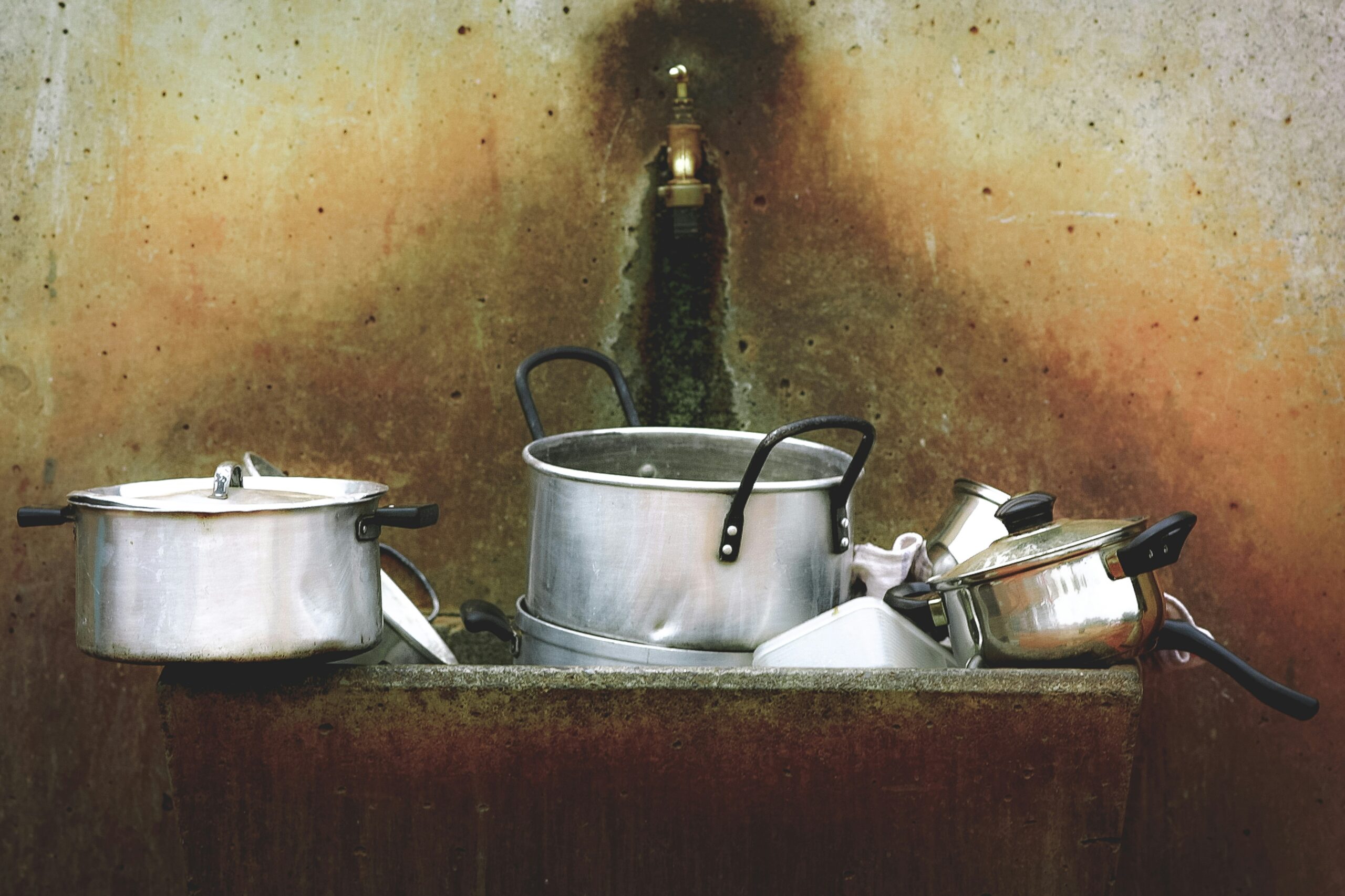
By a Couples Therapist Who’s Heard This Argument a Thousand Times
Are you tired of arguing about chores in your relationship? Let me explain why it’s rarely about the dishes—and how to break the cycle for good.
“It’s not that hard. Just put the dish in the dishwasher.”
Sound familiar?
If you’re in a relationship, chances are you’ve had some version of this argument—maybe more times than you’d like to admit.
One person feels like they’re doing all the work. The other person feels micromanaged. Voices rise. Someone storms off. And all because of… a cereal bowl?
But here’s the truth, from my therapist chair to your kitchen counter:
It’s not about the dishes. It’s about what the dishes represent.
It’s About Fairness, Not Forks
When one partner repeatedly leaves the sink full, it feels like a message:
- “I don’t respect your time.”
- “I expect you to clean up after me.”
- “Your needs aren’t as important as mine.”
Even if that’s not the intention, that’s often how it lands. And when that message is heard day after day, resentment starts to bubble.
This is why so many couples in therapy tell me, “We fight about stupid things.”
Spoiler alert: they’re never stupid. They’re just coded messages about deeper needs.
What’s Really Being Said
When you’re fuming over the dishes, try hitting pause and asking yourself:
“What am I actually needing right now that I’m not getting?”
It might be:
- Appreciation
- Support
- A break
- A sense of teamwork
- Emotional connection
When couples argue about chores, the subtext is usually:
“I feel alone in this partnership.”
But What If You’re the One Being Told to Do the Dishes?
Let’s flip it for a second.
If your partner’s mad about the dishes, and you find yourself thinking “Why are they overreacting?”—pause.
To them, it’s not just a dish. It’s a symbol of whether you notice them, care about the workload, or are showing up as a team player.
You don’t have to love doing chores to understand this:
In healthy relationships, partners look for ways to lessen each other’s burdens.
That doesn’t mean one person always picks up the slack—it means you both stay tuned in to what the other needs to feel supported.
So… How Do You Stop the Dish Wars?
Glad you asked. Here are a few therapist-approved strategies that work:
🧭 1. Shift From Blame to Curiosity
Instead of, “You never help,” try:
“When I see the dishes piling up, I feel overwhelmed and like I’m doing it alone. Can we talk about how to make this feel more balanced?”
📅 2. Create a Chore Plan (So You Don’t Have to Talk About It Every Day)
Resentment loves vagueness. Clarity kills it.
Whether it’s a shared checklist, alternating days, or certain “non-negotiables,” figure out a system that works for both of you.
🔄 3. Take Turns Picking Up the Slack
Life isn’t always 50/50. Sometimes it’s 80/20—then the other way around. The key is knowing when to step in rather than keeping score.
💬 4. Talk About the Meaning, Not Just the Mess
Say:
“I know it’s not just about the sink. Let’s talk about what’s really bothering us.”
This simple shift can unlock some very real, healing conversations.
💗 5. Appreciate the Effort
“I noticed you did the dishes—thank you.”
That sentence? It can melt tension like soap on a greasy pan.
Final Thoughts: Dishes Are Just the Doorway
Chore fights aren’t about who left the plate out—they’re about feeling seen, supported, and respected. When couples stop fighting about the dishes and start listening to the feelings beneath them, real change happens.
Because the truth is:
Your relationship matters more than a spotless sink.
Thinking about couples therapy?
Chore conflict might seem small, but if it’s part of a larger pattern of disconnection, it’s worth addressing. Therapy can help you uncover what’s really going on—and help you rebuild your partnership, one (clean) dish at a time.
The Silent Struggle: When One Partner Shuts Down—And How to Reconnect

If you’ve ever said, “Can we just talk about it?” and your partner responded with silence or withdrawal… you’re not alone.
It’s one of the most painful patterns couples face: one person wants to connect, the other pulls away. Over time, it can start to feel like you’re having a relationship with a wall.
This dynamic—sometimes called “stonewalling” or emotional shutdown—is what I call the silent struggle. And even though it’s silent, it’s loud in impact.
So why does it happen? And what can you do when you’re stuck in this painful loop?
Let’s dig in.
🧠 Why People Shut Down in Relationships
When your partner goes quiet during a disagreement—or pulls away when things get emotional—it’s not always about not caring. In fact, it often comes from feeling overwhelmed.
Here are a few common reasons people emotionally shut down:
- They fear conflict will make things worse
- They’re overwhelmed and don’t know what to say
- They’ve learned to “keep the peace” by going quiet
- They didn’t grow up with healthy communication models
- They feel criticized or not safe to be vulnerable
For some people, shutting down is their nervous system’s way of saying: “I can’t handle this right now.”
That doesn’t make it okay—but it does mean there’s something deeper going on than just being “difficult.”
💔 The Impact on the Relationship
If you’re the one trying to talk and your partner keeps shutting down, it can feel:
- Confusing
- Rejected
- Like you’re doing all the emotional work
- Like nothing ever gets resolved
This dynamic can start to feel like a pursuer/distancer cycle—one person chases, the other runs. And the more you push, the more they retreat.
Over time, this can build resentment and loneliness on both sides.
🛠️ So What Can You Do?
Here’s where the real work begins. Healing this pattern doesn’t mean yelling louder—or giving up. It means learning how to meet each other in the middle, with new tools and new understanding.
✅ 1. Get Curious, Not Critical
Instead of saying: “Why do you always shut down?”
Try: “I notice you go quiet sometimes. Is it because you’re feeling overwhelmed or something else?”
This opens a door, instead of slamming one shut.
✅ 2. Use Timeouts That Heal, Not Hurt
Some people need space to regulate before they can talk. That’s okay—as long as it’s not used to avoid everything.
Try this:
“Let’s take a 20-minute break and come back to this when we’re calmer.”
Set a time to return, so no one is left in emotional limbo.
✅ 3. Focus on Safety, Not Just Solutions
When a partner shuts down, often what’s missing is emotional safety. Therapy helps you both feel:
- Heard without judgment
- Safe to be vulnerable
- Respected even when you disagree
This is the soil where connection grows.
✅ 4. Work with a Couples Therapist
Sometimes, these patterns are so ingrained that you need a guide to help break the cycle.
In couples counseling, I help clients:
- Understand their triggers
- Communicate without shutting down or exploding
- Build emotional safety and trust
- Learn how to stay present even in tough moments
Therapy isn’t about assigning blame—it’s about rebuilding connection, one conversation at a time.
🧡 You’re Not Broken—You’re Human
If you’re in a relationship where silence has taken over, it doesn’t mean love is gone. It means there’s something unspoken that needs a voice.
Whether you’re the one who shuts down or the one left in the dark, there is a way forward. It starts with empathy. And often, a little support.
💬 Ready to Break the Silence?
If your relationship feels stuck in a pattern of shutdowns, I’d love to help.
Together, we can:
- Identify what’s behind the shutdown
- Rebuild communication that feels safe
- Create space for connection again
👉 Click here to schedule a consultation and take the first step toward reconnecting—without yelling, blaming, or giving up.
Why Criticism Hurts—And What to Say Instead

From a Couple’s Therapist Who’s Seen It All
Find out why criticism hurts in relationships and what to say instead. A couple’s therapist breaks it down with simple, real-life advice to help couples communicate with more care.
Ever had a fight with your partner and thought:
“That didn’t go the way I wanted it to…”
Maybe you were just trying to make a point, but before you knew it, one of you was defensive, the other was shutting down, and you were both emotionally checked out.
You’re not alone. And you’re definitely not broken.
But let’s talk about what’s actually happening—and how to fix it.
😣 Why Criticism Hits So Hard
When you say something like:
- “You never listen to me.”
- “Why do you always make everything about you?”
- “You’re just lazy when it comes to this stuff.”
…it might seem like you’re expressing frustration. But your partner? They hear it as an attack. That’s because criticism doesn’t just point out a problem—it makes it personal.
In therapy terms, it sounds like:
“You’re not just forgetting to do the dishes—you’re irresponsible as a person.”
And that’s why your partner gets defensive. Their brain hears danger, not “constructive feedback.”
🧠 A Quick Brain Science Moment
Our brains are wired to scan for threat. And even though you’re not in a battlefield, your nervous system still reacts like it is when someone criticizes you—especially someone you love.
So instead of solving anything, you both end up in a loop:
- Criticism → Defensiveness
- Defensiveness → Escalation
- Escalation → Shutdown
Sound familiar?
🗣️ Okay… So What Do You Say Instead?
Here’s the good news: you can totally get your point across without triggering World War III. Here’s how:
✅ 1. Start with an “I” Statement
❌ “You never help me.”
✅ “I feel overwhelmed and could really use some help.”
Why it works: You’re sharing your experience, not attacking theirs.
✅ 2. Be Specific, Not Sweeping
❌ “You’re always on your phone.”
✅ “I felt hurt when I was telling you something important and you were scrolling.”
Why it works: It keeps the conversation grounded in a moment—not a personality flaw.
✅ 3. Make a Clear Ask
❌ “You don’t care about me.”
✅ “Could we put our phones down for dinner so we can connect?”
Why it works: It gives your partner a clear, loving way to show up for you.
✅ 4. Keep Your Tone Soft
Let’s be honest—how you say something is often more important than what you say.
Before you speak:
- Take a deep breath
- Ditch the sarcasm
- Think: “Would I want someone saying this to me?”
✅ 5. Lead with Validation
Start with something kind—even just acknowledging that they’ve had a long day.
“I know you’ve been juggling a lot lately. There’s something I’d love to talk about when you’re ready.”
Why it works: It lowers defenses. They’re more likely to listen (and less likely to snap back).
❤️ Real Talk: We All Criticize Sometimes
Nobody communicates perfectly all the time—not even therapists. But the couples who learn to shift from criticism to curiosity? They fight less, laugh more, and feel safer with each other.
You can totally do this. It’s not about being perfect—it’s about being intentional.
✨ Want to Get Better at This—Together?
If you and your partner are stuck in the same old arguments, therapy can help you break the cycle.
I work with couples who want to:
- Communicate without blowing up
- Feel more connected, not criticized
- Rebuild trust and teamwork
👉 Click here to schedule a free consultation. Let’s help you both feel heard, supported, and on the same team again.
How Does Online Infidelity Affect Relationships?

Have you ever caught your partner secretly chatting with an ex on Facebook? Or maybe you’ve been the one sliding into someone’s DMs when you shouldn’t. You might think cheating is straightforward, but the online world has blurred those lines. When it comes to online infidelity, you’re dealing with a whole new ballgame. It’s not just about physical encounters anymore. Emotional cheating is when you’re sharing intimate thoughts, feelings, and experiences with someone who isn’t your partner. You might not be physically touching, but you’re definitely crossing some boundaries.
- Sharing personal secrets
- Flirting through texts or social media
- Turning to someone else for emotional support
These might seem harmless, but they can pack a punch to your relationship’s trust.
Physical Cheating Goes Virtual
Ever heard of physical cheating online? Yep, it’s a thing. Think of sexting, exchanging explicit photos, or even virtual sex. While you’re not physically in the same room, these acts are still considered sexual in nature and can be just as hurtful to your partner. Remember, what counts as cheating can vary from couple to couple. After all, in the digital age, infidelity is just a click away.
The Impacts of Online Infidelity on Relationships
You might think that what happens online stays online, but when it comes to infidelity, the virtual world can have very real consequences for your relationship.
Trust Takes a Hit
When you discover your partner’s been unfaithful online, it’s like a wrecking ball to your trust. Suddenly, every notification on their phone becomes suspicious, and you might find yourself questioning everything they say. It’s a tough spot to be in, and rebuilding that trust? It’s no walk in the park.
Emotional Distance Grows
Online affairs can create a Grand Canyon-sized gap between you and your partner. You might feel betrayed, angry, or just plain hurt. Meanwhile, your partner might be dealing with guilt or trying to justify their actions. This emotional rollercoaster can leave you both feeling miles apart, even when you’re in the same room.
Self-Esteem Struggles
Finding out your partner’s been chatting with someone else online can damage your self-esteem. You might start questioning your worth or wondering what the other person has that you don’t. It’s an easy mental trap to fall into, but remember, their actions are about them, not you.
Intimacy Issues
When the trust is gone, physical intimacy often follows suit. You might find yourself less interested in being close to your partner, or they might pull away out of guilt. Either way, this lack of connection can further strain your relationship, creating a vicious cycle that’s hard to break.
Rebuilding Trust After Online Infidelity
So, you’ve discovered your partner’s online infidelity. As painful as it can be, it doesn’t need to be the death knell of your relationship. Rebuilding trust is possible, though it’ll take time, effort, and much patience.
Open Up Those Communication Lines
First things first, you need to talk it out. And we mean really talk. No holding back, no sugar-coating. Be honest about your feelings, and encourage your partner to do the same. It might be uncomfortable, but it’s crucial for healing. Remember, this isn’t a one-and-done conversation. You’ll need to keep the dialogue going as you work through this together.
Set Clear Boundaries
Now’s the time to establish some ground rules. What’s okay and what’s not when it comes to online interactions? It may be time to unfriend certain people or limit social media use. Whatever you decide, make sure you’re both on the same page. Don’t be afraid to ask for transparency, either. If seeing your partner’s phone or computer would help ease your mind, speak up. Just be careful not to let it turn into constant surveillance — that’s not healthy for anyone.
Seek Professional Help
Sometimes, a neutral third party can work wonders. Consider couples therapy to help navigate this rough patch. A therapist can provide tools and strategies to rebuild trust and strengthen your relationship.
This digital form of infidelity erodes trust, breeds insecurity, and can leave both partners feeling betrayed and confused. But all hope isn’t lost if you find yourself in this situation. We can help you navigate this path through our marriage, betrayal, or infidelity counseling sessions. Book a consultation with us today.
Why Insecurity Is Affecting Your Relationship and What To Do About It

You know that nagging feeling — the one telling you you’re not good enough for your partner? That’s insecurity talking. Insecurity can poison even the healthiest relationships, making you doubt yourself and your partner. It’s normal to feel insecure in a relationship from time to time. But chronic insecurity can damage the foundation of trust and intimacy you’ve built. If your partner frequently doubts themselves, you, or the relationship, it’s essential to understand why.
How Insecurity Negatively Impacts Your Relationship
Insecurity inevitably seeps into a relationship. It makes you question your partner’s feelings and motives, even when there’s no reason to doubt them.
1. Constantly Seeking Validation
Feeling insecure means constantly seeking validation from your partner. While reassurance is normal in a healthy relationship, needing it daily or multiple times a day is exhausting for your partner and makes you seem needy. It also prevents real intimacy from forming.
2. Having Trouble Trusting
When you’re insecure, you have difficulty trusting that your partner’s feelings for you are honest and lasting. You may accuse them of things they haven’t done or worry they will leave you for someone else. This lack of trust damages the foundation of your relationship and may even become a self-fulfilling prophecy.
3. Depending on Your Partner for Happiness
Relying on your partner to make you feel happy and secure puts an unrealistic burden on the relationship. No one person can be responsible for another’s happiness and security. When you make your partner the center of your world, you lose your sense of self and independence, causing resentment.
4. Comparing Yourself to Others
Feeling insecure often means comparing yourself to others and worrying you don’t measure up in your partner’s eyes. But the truth is, your partner chose to be with you for who you are — flaws and all. Comparing yourself to others only makes you feel worse and damages your self-esteem and the relationship.
Tips to Overcome Insecurity as a Couple
1. Communicate Openly
Talk to your partner about your feelings of insecurity. Let them know specifically what triggers your doubts and anxieties. Hearing them reassure you can help put your mind at ease. Make sure the lines of communication stay open — if new concerns arise, express them immediately instead of bottling them up.
2. Reassure Each Other
Give your partner frequent compliments, affection, and words of affirmation. Hold hands, tell each other you love them. Physical intimacy leads to emotional intimacy and security. Also, express your commitment to the relationship and future together.
3. Learn to Love Yourself First
The foundation of any healthy relationship is self-love. When you accept and appreciate yourself, you will be in a much better position to find a caring partner who loves you for who you are. However, many people struggle with insecurity and a lack of self-esteem, which can seriously damage relationships.
4. Address the Root Cause of Your Insecurity
Your insecurity likely stems from past experiences that caused you to doubt yourself. Maybe you had critical parents, bullying, or unhealthy relationships. The first step is acknowledging how these experiences impacted your self-worth. Speaking to a therapist or counselor can help you work through these issues.
5. Challenge Negative Self-Talk
Notice your negative thoughts about yourself and try to reframe them in a more positive, realistic way. For example, if you think, “No one will ever love me,” change that to, “I am worthy of love, and there are caring people who will appreciate me.” Speak to yourself with compassion and encouragement. Over time, the negative self-talk will fade.
6. Set Boundaries
Don’t let your insecurity cause you to become overly accommodating or a people-pleaser. Prioritize your needs while respecting your partner’s. Say “no” when you need to, and don’t be afraid to express your feelings. Healthy boundaries will boost your confidence and lead to better connections.
Avoid blaming each other, and focus on open communication. If you need help achieving this, book an appointment with us today.
5 Tips to Better Communicate with Your ADHD Partner

All couples have different communication styles. You will very rarely see two individuals who communicate in the same exact way. This couldn’t be any more true for couples where one partner has ADHD.
ADHD, or attention-deficit/hyperactivity disorder, contrary to popular belief, is something that impacts adults, too, not just children. Having ADHD, or any other condition, does not mean that there is anything wrong with the person. Instead, being neurodivergent just means that the brain behaves differently.
Healthy communication in a relationship that is impacted by ADHD is absolutely possible. Getting there takes some work, but the same can be said for all relationships.
Here are five tips to communicate with your ADHD partner.
5 Tips to Better Communicate with Your ADHD Partner
1. Understand ADHD
The first step to being able to communicate with your partner is to understand what they have. There is a lot of misinformation and misconceptions about what living with ADHD is like. So, one of the first steps is researching how ADHD impacts somebody’s life.
By doing the proper research, you’ll be able to recognize the signs of ADHD in your partner that you may not have realized was due to the condition.
2. Focus On What They Are Saying
While they are talking, ensure that you aren’t distracted. That means putting away your phone or turning off the TV while in the middle of a conversation.
Being easily distracted is something that many, if not all, ADHDers struggle with. There’s a good chance that when you are talking together, they already have trouble focusing on the conversation. Showing them you are committed to paying attention during these times can also help them focus.
3. Don’t Take Things Too Personally
Someone who has ADHD is often impulsive. Often, they do or say things without thinking first. There’s nothing wrong with that in a lot of situations. However, this can often lead to disagreements when communicating.
How often have you heard your partner with ADHD say something that seems mean, condescending, or hurtful toward you? We can’t speak for all cases, but in many, this is often unintentional. Impulse control refers not just to behaviors but to words as well.
We all say things in the heat of the moment that we later regret, and someone with ADHD will often “go there” without even realizing it. Blurting things out that are on their mind is something that people with ADHD may do. So, when communicating with them, keep this in mind.
4. Accept Your Differences In Communication
We all have different communication styles. Often, these communication styles stem from early childhood relationships that we were influenced by. Keep in mind that no one actively chooses to communicate or react in the ways that they do. Rather, it is a learned behavior.
Learned behaviors can be retaught, but it won’t happen overnight. Instead of trying to change each other outright, couples should try to accept their differences and then learn to compromise to reach common middle ground. This is especially important for those who have ADHD because they likely already feel frustrated by this condition as it is. You should never make your partner feel worse about something they can’t control.
5. Try Counseling
It’s commonplace to blame communication issues on one set thing instead of looking at the bigger picture. The truth is, while ADHD can influence communication styles, there is often more to it than just that.
If there is a breakdown in communication between you and your partner, ADHD may influence it, but that doesn’t mean it’s the cause. Working with a counselor can help you learn the root cause of your problems and then work together.
Reach out to learn more about how couples therapy can help improve your communication with your ADHD partner.