 11555 Heron Bay Blvd #242, Parkland, FL 33076

Author Archives: Dr. Lagrotte
Living With Your Parents as a Couple to Save Money


Or, How to Survive and Stay Connected!
Living with your parents as a couple to save money? You’re not alone. Here’s how to make it work without losing your relationship—or your sanity.
Why So Many Couples Are Moving In With Parents
With housing costs skyrocketing, student debt lingering, and inflation stretching every dollar, more and more couples are deciding to move in with one or both sets of parents to save money.
It’s a smart financial move.
But emotionally? It can be… complicated.
Living with your parents (or in-laws) while trying to build a life as a couple brings up unique stressors—from privacy issues to role confusion to navigating two (or more) sets of expectations under one roof.
But it can work—with the right communication, boundaries, and a little sense of humor.
What Makes It Hard
Let’s name some of the common challenges:
- Lack of privacy (both emotional and physical)
- Role confusion (are you a guest, roommate, adult child, or all three?)
- Generational clashes in lifestyle, routines, and expectations
- Pressure to “perform” or “people please” to keep the peace
- Conflict between your partner and your parents (or vice versa)
Even if you have a great relationship with your parents, living together changes the dynamic.
And if there are already tensions? Living together can amplify them.
How to Make It Work Without Breaking Down
Here’s how to stay sane and stay connected as a couple:
1. Have a United Front With Your Partner
Before you move in (or if you already have), talk as a couple about:
- Your shared goals (Why are we doing this? For how long?)
- What you’re both nervous about
- How you’ll support each other when tensions rise
This isn’t just about surviving—it’s about staying on the same team.
2. Set Clear Boundaries With Parents
Boundaries aren’t mean. They’re respectful—and necessary.
For example:
- Privacy: “We’d love to have 30 minutes alone after work before we come out to socialize.”
- Expectations: “We’re happy to help with groceries, but we can’t afford rent right now.”
- Timeframes: “We plan to be here for 9 months while saving for a down payment.”
- Set these early—and revisit them when needed.
3. Create Couple Time (Even in a Crowded House)
Don’t put your relationship on pause while you save money. Even small rituals help:
- Watch a show together with headphones
- Go on weekly walks or budget-friendly date nights
- Find a “date space” away from home—parks, coffee shops, even your car!
Intimacy thrives on intentionality, not square footage.
4. Divide Household Labor Clearly
To avoid passive-aggressive tension or guilt, get specific:
- Who cooks?
- Who cleans?
- Are you expected to contribute financially?
- What are the “house rules”?
This clarity keeps resentment at bay—on all sides.
5. Plan Your Exit Strategy
Having a clear timeline or financial goal can make this arrangement feel empowering, not defeating.
Try:
- “Once we save $15,000 for a down payment…”
- “As soon as our lease options open up in 6 months…”
Even if it’s flexible, having a plan helps everyone feel more grounded.
Final Thoughts: It’s Not Failure—It’s Strategy
Living with your parents as a couple doesn’t mean you’ve failed at “adulting.”
It means you’re making a strategic decision to build a better future together.
Yes, it can be awkward.
Yes, it will require patience.
But it can also be a time of deep teamwork, communication, and creative problem-solving as a couple.
If you can survive a shared bathroom and your mom knocking on the door during date night?
You can survive anything.
Need Support While Navigating This Season?
Couples therapy can help you strengthen your bond, navigate boundaries with family, and stay connected even under pressure.
Staying United as a Couple During the Holidays (Even With Extended Family Around)

A Therapist’s Guide to Surviving the Season as a Team
Holidays with extended family can be joyful… and stressful. A couples therapist shares how to stay connected and on the same page with your partner through the chaos of the season.
“Are we going to your mom’s again?”
“Can we please not fight at your dad’s house this year?”
“You said you’d back me up!”
The holiday season is supposed to bring joy, but for many couples, it also brings pressure, conflict, and exhaustion—especially when extended family is involved.
Whether it’s juggling in-laws, travel plans, conflicting traditions, or comments that cross the line, the key to getting through the season without letting it chip away at your relationship is this: stay united.
Let’s talk about how.
Step 1: Define “Team Us” Before the Holidays Begin
You can’t stay on the same team if you haven’t agreed on what the game plan is.
Before the holidays hit full swing, sit down and talk through:
- Which events or gatherings you’ll attend (and which you won’t)
- What “success” looks like for both of you (peace, connection, boundaries respected, etc.)
- What parts of the holidays are most meaningful to each of you
Example conversation:
“It’s really important to me that we do Christmas morning just us this year.”
“I’d like you to be there when I visit my parents—even if it’s just for dinner.”
Making choices together builds unity. Letting one person handle all the planning breeds resentment.
Step 2: Set Boundaries Around Time, Space & Topics
Boundaries are love in action—not rejection.
If certain people drain your energy or certain topics (like politics, parenting, or religion) always cause fights, decide together:
- How long you’ll stay
- What topics are off-limits
- When and how you’ll take breaks
Pro tip: Create a secret code word or signal for “I need to step away now.”
Boundaries keep the peace not just with family—but within your relationship.
Step 3: Back Each Other Up (Publicly and Privately)
One of the biggest sources of tension? When one partner feels thrown under the bus by the other—especially in front of family.
If your mom says something critical or your dad makes a “joke” at your partner’s expense, don’t ignore it.
You don’t have to cause a scene—but you do need to stand by your partner.
Say something like:
“Hey, let’s change the subject—this is supposed to be a fun day.”
Or: “Actually, we’ve made a different choice this year, and we’re happy with it.”
Later, debrief in private:
- “How did that feel for you?”
- “Did I support you the way you needed?”
- “What could I do better next time?”
Step 4: Prioritize Each Other—Not Just the Family Schedule
Extended family time often comes at the expense of couple time. To stay connected, protect small moments that are just for you two:
- A morning coffee alone before the house wakes up
- A 20-minute walk to debrief after a long gathering
- A phone-free evening when the holidays are over
Your relationship isn’t the backdrop to the holidays—it’s the foundation.
Step 5: Normalize the Stress—and Give Each Other Grace
Even close-knit families come with stress. And even strong couples argue under pressure.
That doesn’t mean something is wrong. It means you’re human.
If you snap at each other or have a rough day, practice repair:
“I was stressed and took it out on you. I’m sorry.”
“We got through that together—I’m grateful for you.”
Grace + repair = resilience.
Final Thoughts: The Holidays Are Temporary—Your Bond Is Not
The holidays may bring chaos, noise, travel, and tension—but they also offer an opportunity to strengthen your bond.
When you stay united as a couple, you stop letting family drama pull you apart—and start creating your own story, your own traditions, and your own kind of peace.
Want to prep emotionally for the holidays as a couple?
Couples counseling can help you set boundaries, navigate family stress, and stay connected all season long.
The “Four Horsemen” in Real Life: What They Sound Like in Your Relationship

“You never help.”
“Well maybe if you didn’t nag me all the time…”
Silence.
Eye-roll.
Sound familiar?
In couples therapy, we often talk about the Four Horsemen—a concept from relationship researchers Drs. John and Julie Gottman. These aren’t mythical creatures. They’re four toxic communication patterns that predict relationship breakdown when left unchecked.
But what do they actually look like in real life?
Let’s break each one down—and explore how to shift the dynamic before it damages the connection.
1. Criticism: “You always…” “You never…”
Criticism attacks your partner’s character instead of addressing a specific behavior.
Real-life example:
“You’re so lazy. I do everything around here.”
What it really says:
“I’m overwhelmed and I feel alone—but I’m expressing it as blame.”
Try this instead:
Use a gentle start-up. Focus on your feelings and needs.
“I’m feeling overwhelmed with all the chores. Can we talk about how to divide things more fairly?”
Criticism makes your partner defensive. Vulnerability invites collaboration.
2. Defensiveness: “That’s not true.” “It’s your fault.”
Defensiveness is a way of protecting yourself from perceived attack—but it usually makes the conflict worse.
Real-life example:
“I do help! You just never notice when I do anything.”
What it really says:
“I feel unappreciated and misunderstood—but I’m turning that into denial and blame.”
Try this instead:
Take responsibility—even if it’s just for a small part.
“You’re right, I haven’t helped as much lately. Let’s figure out a better rhythm.”
Accountability doesn’t mean taking all the blame—it means staying engaged instead of deflecting.
3. Contempt: “You’re pathetic.” [eye-roll] “Whatever.”
Contempt is the most dangerous of the Four Horsemen. It involves sarcasm, mockery, name-calling, or body language that signals disgust or superiority.
Real-life example:
“Oh wow, you actually did something helpful for once. Should I throw a party?”
What it really says:
“I’m deeply resentful and I’ve stopped respecting you.”
Try this instead:
Practice appreciation—even in small doses. The antidote to contempt is building a culture of gratitude.
“Thank you for doing the dishes tonight. It really helped.”
It may feel forced at first, but nurturing fondness and respect rewires the emotional tone of the relationship.
4. Stonewalling: Silence. Avoidance. Tuning out.
Stonewalling is when one partner shuts down or withdraws emotionally. It usually happens when they feel overwhelmed—but it often leaves the other person feeling abandoned.
Real-life example:
Stares at phone, says nothing during conflict.
What it really says:
“I’m flooded and I don’t know how to engage without losing control.”
Try this instead:
Take a break—but communicate that you’re doing it to self-regulate, not punish.
“I want to keep talking about this, but I’m feeling really overwhelmed. Can we take 20 minutes and come back to it?”
Self-soothing and re-engaging are key.
Final Thoughts: Spotting the Pattern Is the First Step
We all use the Four Horsemen at times—especially when we’re tired, stressed, or hurting. The goal isn’t perfection. It’s awareness.
Start by noticing:
- Do I criticize instead of express needs?
- Do I get defensive when I could take a breath and listen?
- Do I let sarcasm replace vulnerability?
- Do I shut down when I really need a break?
When you name the pattern, you can choose a new response.
And in a relationship, that choice matters more than you think.
Want to learn how to replace toxic patterns with healthy habits?
Couples therapy can help you shift the way you communicate so you feel more connected, understood, and safe together.
How to Grow Individually Without Growing Apart

A Therapist’s Guide to Staying Connected While Becoming More Yourself
Is it possible to grow as individuals and as a couple? Absolutely. A couple’s therapist explains how to support personal growth without losing connection in your relationship.
“I love you… but I’m changing.”
“I need space to grow—but I don’t want to lose us.”
Sound familiar?
This is one of the most delicate dynamics I see in couples therapy: one or both partners are evolving—personally, professionally, emotionally and the relationship feels… off.
You still care. You’re still committed.
But something’s shifting.
Here’s the good news: you can absolutely grow individually without growing apart.
But it takes intention, communication, and a willingness to rewrite old relationship rules.
Let’s talk about how.
Why Individual Growth Is Good for the Relationship
First, let’s debunk a myth:
Healthy couples are not enmeshed. They are interdependent.
That means you’re deeply connected and have your own identities, interests, and inner worlds.
In fact, individual growth can actually energize the relationship:
- It brings in new ideas, passions, and stories.
- It keeps the relationship from stagnating.
- It allows each partner to thrive rather than shrink to fit.
But when growth is handled poorly, without communication or empathy, it can feel like distance, disinterest, or even betrayal.
How Growth Can Trigger Disconnection
Here are a few ways personal development can unintentionally shake a relationship:
- New interests create less shared time.
One partner starts running marathons, diving into grad school, or joining new communities—and suddenly your rhythms are off. - Shifts in values or identity emerge.
This might look like changing spiritual beliefs, evolving gender expression, or redefining life goals. - One partner feels “left behind.”
When one person is expanding and the other feels stagnant, it can stir up insecurity or resentment.
5 Ways to Grow Without Drifting
1. Name the Growth
Don’t hide your evolution.
Let your partner into the process—even if it feels messy or uncertain.
Say things like:
“I’ve been thinking a lot about who I want to be in this next phase.”
“I’m learning things that are changing how I see myself—and I want to share them with you.”
Inviting your partner into your internal world keeps them close.
2. Stay Curious About Each Other’s Changes
Your partner isn’t a static character—they’re a living, evolving human being.
Ask open-ended questions:
- “What’s been lighting you up lately?”
- “Has anything been shifting for you recently?”
- “What’s something new you’re learning about yourself?”
Curiosity is intimacy.
3. Create Rituals of Connection
Even if your schedules shift or interests diverge, rituals keep you grounded in “us.”
It could be:
- A weekly walk
- A Sunday coffee date
- A nightly 10-minute check-in
Consistency builds safety in times of change.
4. Communicate Boundaries With Care
Growth sometimes requires space—mental, emotional, or physical.
But space doesn’t have to mean distance.
Instead of disappearing, say:
“I need time to process some things alone—but I’ll check in with you after.”
That simple reassurance can make all the difference.
5. Reflect on Your Shared Future
Just because you’re growing doesn’t mean you’re growing apart.
Keep asking:
- “What kind of life are we still building together?”
- “What values still unite us?”
- “How can we support each other’s evolution while staying rooted in our ‘why’?”
When individual growth is woven into shared meaning, relationships become more flexible—and more resilient.
Final Thoughts: You Don’t Have to Choose
You don’t have to choose between yourself and your relationship.
In fact, your relationship should be one of the few places in your life where you can grow freely, unapologetically—and still be deeply loved.
The best partnerships don’t resist growth.
They make space for it—together.
Need help navigating individual growth as a couple?
Couples therapy can help you build a relationship that honors both we and me.
“It’s Just a Like”—How Social Media Affects Relationships More Than You Think

🧠 “Why were you liking her photos at 2 a.m.?”
💔 “You never post me. Are you embarrassed to be seen with me?”
😡 “He replied to her story in less than a minute, but hasn’t texted me back all day.”
Sound familiar?
As a couples therapist, I can tell you: social media comes up in the therapy room more than almost anything else.
It’s not just about jealousy or attention—it’s about visibility, boundaries, and emotional security.
Let’s talk honestly about how social media can affect your relationship—and how to keep it from becoming a third partner in your marriage.
📱 It’s Not Just an App
Social media might live in your phone, but it affects how you see yourself, how you view your partner, and how you measure the health of your relationship.
It’s a mirror. It’s a stage. And sometimes, it’s a weapon.
Here’s how it can quietly shape your connection:
1. The Comparison Trap
You see your friend’s anniversary reel with matching outfits and rose petals on the bed.
You start wondering: “Why don’t we do things like that?”
Couples start comparing their behind-the-scenes to someone else’s filtered highlight reel—and it can breed quiet dissatisfaction, even when things are going fine.
Therapist Tip: If scrolling leaves you feeling “less than,” it’s okay to mute accounts that trigger insecurity. Protecting your peace is a love language, too.
2. Likes, Follows, and the Need for Validation
It may seem silly, but for many people, digital attention = emotional validation.
- “You like her bikini photos, but never comment on mine?”
- “Why didn’t you post anything for my birthday?”
- “You’re still following your ex?”
These behaviors might feel harmless to one partner and like a red flag to the other. And when expectations aren’t clearly communicated, it creates confusion and hurt.
Therapist Tip: Have a direct conversation about your social media boundaries—even if it feels awkward. What’s okay? What’s off-limits? What makes you feel secure?
3. Digital Distractions & “Phubbing”
“Phubbing” = phone + snubbing.
It’s when you’re physically with your partner—but emotionally glued to your phone.
Over time, it can feel like you’re more invested in other people’s lives than the one sitting beside you.
Therapist Tip: Create tech-free connection zones—like no scrolling at dinner, or no phones in bed after 10 p.m. Intimacy thrives in presence.
4. DMs, Secrecy, and Emotional Affairs
Not all affairs are physical. Social media makes it so easy to reconnect with old flames or strike up emotionally charged conversations behind a partner’s back.
If your partner wouldn’t feel okay reading your messages, or if you’re hiding certain conversations—pause. That’s a signal.
Therapist Tip: Emotional fidelity matters. Openness about online interactions builds trust—even more than access to passwords.
5. The Pressure to Perform
Posting the “perfect” couple photos, making date night Instagrammable, captioning everything with #blessed…
Sometimes, couples feel pressure to appear happy rather than be happy.
Over time, this disconnect can feel hollow—like you’re acting out a relationship for an audience, instead of for each other.
Therapist Tip: Focus on creating real memories, not just content. The moment matters more than the post.
So… Should You Just Quit Social Media?
Not necessarily.
Social media isn’t bad—but how you use it matters.
Some couples bond over funny reels. Some post each other proudly. Some set digital boundaries and check in when something feels off.
The key is intentionality and conversation.
3 Questions Every Couple Should Ask Each Other
- What kind of social media behavior makes you feel loved and seen?
- What makes you feel uncomfortable or unsafe online?
- How can we use social media to support our relationship, not stress it out?
Final Thoughts: Choose Each Other Over the Algorithm
At the end of the day, your relationship deserves more than passive scrolling, algorithm-driven validation, or heart emojis from strangers.
It deserves presence, honesty, and attention.
So the next time you’re tempted to post the perfect picture, pause.
Look at your partner.
Ask them how their day really was.
That one small moment might mean more than any “like” ever could.
Want to explore this more deeply?
If social media has become a source of tension in your relationship, therapy can help you unpack it—without blame, shame, or judgment.
How to Reconnect After a Blowout Fight — Without Rehashing Everything

We’ve all been there: voices raised, doors slammed, and that heavy silence that lingers afterward. Blowout fights can leave both partners feeling raw, disconnected, and unsure how to find their way back.
And let’s be real—sometimes the last thing you want is to reopen the argument and dissect it for hours. Good news: reconnecting doesn’t always require rehashing every painful detail.
Here’s how you can repair, reset, and restore closeness—without re-triggering the fight.
Why Blowout Fights Leave Us Feeling So Stuck
When a fight gets heated, your nervous system goes into overdrive. Adrenaline is pumping, your heart races, and your brain shifts into “survival mode.” That’s why so many fights spiral out of control—you’re no longer problem-solving, you’re defending.
Afterward, it’s common to feel:
- Drained and disconnected
- Unsure if your partner even cares anymore
- Tempted to just sweep it under the rug
The key to healing isn’t replaying the fight—it’s finding ways to reconnect emotionally.
How to Reconnect Without Rehashing Everything
Here are a few therapist-approved ways to bridge the gap after a big argument:
✅ 1. Pause Before Repairing
Give yourselves some breathing room. You can’t reconnect when you’re still in fight-or-flight mode. Step away, take a walk, or sleep on it if needed. A short pause prevents more damage and sets you up for a real repair.
✅ 2. Lead With Love, Not Logic
When you reconnect, don’t start with the details of who said what. Instead, try something simple like:
- “I hate when we fight like that. I still love you.”
- “I don’t want this to come between us.”
These statements shift the focus back to the relationship, not the argument.
✅ 3. Offer a Repair Gesture
Sometimes words aren’t enough. A gentle touch, a hug, making their coffee, or sending a lighthearted text can be powerful signals of care. Think of it as a peace offering—not to erase the fight, but to remind each other you’re still a team.
✅ 4. Acknowledge the Impact (Without Rehashing Details)
You don’t need to replay the blow-by-blow. Instead, acknowledge feelings:
- “I know I hurt you when I snapped.”
- “I felt overwhelmed and didn’t handle it well.”
Validation goes a long way in restoring trust.
✅ 5. Make a Gentle Plan for Next Time
Without deep-diving into the fight, agree on one thing you’ll both try in the future. For example:
- “Next time we’ll take a 10-minute break when things get heated.”
- “Let’s agree not to bring up tough stuff when we’re exhausted.”
It’s about moving forward, not replaying the past.
Real Talk: Repair Is More Important Than Perfection
Every couple fights. What separates healthy relationships from struggling ones isn’t whether arguments happen—it’s how partners repair afterward.
When you focus on reconnection, safety, and love, you build resilience. Each repair is like a bridge that makes your relationship stronger for the future.
Need Support Learning How to Repair?
If your fights feel overwhelming or you keep getting stuck in the same cycle, couples counseling can help. Together, we’ll practice repair strategies, improve communication, and create new patterns that build trust instead of breaking it.
👉 Schedule a consultation today and learn how to fight less, reconnect faster, and love deeper.
You’re Having the Same Fight Over and Over Again: What It Really Means

You know that feeling—same fight, different day. Whether it’s about chores, money, in-laws, or how much time you spend on your phone, the script never seems to change. You bring it up, your partner reacts, and before you know it, you’re circling the same frustrating loop again.
So what’s going on here? Are you doomed to repeat this forever? Not at all. But it does mean that your fight isn’t about what you think it’s about.
Why Couples Have the Same Fight on Repeat
When couples get stuck in a loop, it usually points to something deeper beneath the surface. Here are the most common reasons:
1. It’s Not About the Dishes (or the Money, or the Phone)
The topic is often just the trigger, not the root issue. Arguing about dishes may really be about feeling unappreciated. Arguing about money may really be about safety or trust.
2. You’re Triggering Each Other’s Raw Spots
We all have emotional “raw spots”—old wounds from childhood or past relationships. A simple disagreement can hit those spots, making us react much bigger than the situation calls for.
3. You’re Playing Out a Pattern
Therapists often see “pursuer-distancer” dynamics: one partner pushes for resolution, the other retreats. The more one pushes, the more the other pulls away. It’s not about the topic—it’s about the cycle.
4. Unmet Needs Are Driving the Conflict
Underneath recurring fights are usually unmet needs: for attention, appreciation, respect, or emotional closeness. Until those needs are acknowledged, the fights keep resurfacing.
Breaking the Cycle: How to Move Forward
Here are a few ways to stop replaying the same painful script:
✅ 1. Name the Pattern Together
Instead of diving right into the fight, step back and say:
“Hey, I think we’re stuck in that same loop again.”
Naming it takes the heat out and turns it into a shared problem rather than a blame game.
✅ 2. Ask: “What’s This Really About?”
Pause and ask yourself: What am I really needing here?
Maybe it’s not about the laundry—it’s about wanting more teamwork. Naming the deeper need shifts the conversation to what matters.
✅ 3. Change the Script Mid-Conversation
If you notice things spiraling, break the cycle with a repair attempt:
- Light humor (“Okay, déjà vu—let’s hit pause.”)
- A gentle gesture (reaching for their hand)
- Saying, “I don’t want to fight. I just want us to understand each other.”
✅ 4. Try a “State of the Union” Check-In
Set aside a calm, weekly time to check in on your relationship. Talk about what’s going well and what feels tough—before it explodes into a fight.
✅ 5. Get Support if You’re Stuck
Sometimes, patterns are so ingrained that you need a neutral guide. Couples therapy helps you see the cycle, unpack the deeper needs, and learn new ways of talking (and listening).
Final Thoughts
If you keep having the same fight over and over again, it’s not a sign your relationship is broken. It’s a signal. A signal that there’s an unmet need or unspoken fear beneath the surface.
Once you start addressing the real issue—not just the surface fight—you can finally break free from the loop and feel more connected again.
Ready to Stop the Cycle?
If you’re tired of repeating the same arguments, couples counseling can help. Together, we’ll:
- Identify the real issues behind the fights
- Break unhealthy patterns
- Rebuild safety and connection
👉 Schedule a consultation and start creating new conversations—ones that bring you closer instead of pushing you apart.
Am I in a Relationship with a Narcissist?

As a couple’s therapist, I often hear clients say things like, “I feel like I’m going crazy,” or “Nothing I do is ever enough.” These are powerful statements—and they usually come after months or even years of feeling confused, exhausted, and unseen in their relationship. If you’ve ever found yourself asking, Am I in a relationship with a narcissist?—you’re not alone.
Let me begin by saying that not every difficult partner is a narcissist. True Narcissistic Personality Disorder (NPD) is a clinical diagnosis that requires a mental health professional’s assessment. However, many individuals can exhibit narcissistic traits that significantly impact their partners and the overall health of the relationship. In therapy, we look beyond labels and focus on the patterns—particularly those that leave one partner feeling diminished, blamed, or emotionally unsafe.
In relationships where narcissistic traits are present, there is often a strong initial connection—what we call “love bombing.” This phase can feel intoxicating. You’re praised, adored, and made to feel like you’ve finally found your perfect match. But soon after, a shift occurs. What once felt like deep admiration may turn into criticism, control, or cold withdrawal.
Over time, you may find yourself second-guessing your thoughts or walking on eggshells. Narcissistic behavior often includes gaslighting—a manipulation tactic that causes you to question your perception of reality. You might hear things like, “I never said that,” or “You’re imagining things,” even when you’re sure of what happened. These patterns erode trust—not just in your partner, but in yourself.
Another common dynamic I see in couples therapy is the refusal to take accountability. If your partner always blames you, deflects responsibility, or becomes the victim whenever you try to express hurt or set boundaries, that’s worth exploring. Healthy relationships require mutual ownership and empathy. Without those, communication becomes one-sided and emotionally unsafe.
You might also notice a lack of genuine interest in your needs, feelings, or goals. Emotional neglect is a subtle, but powerful, form of harm. In narcissistic relationships, it’s not uncommon for one partner to feel emotionally invisible or like their role is to meet the needs of the other—while theirs go unmet.
This experience can be incredibly isolating. Often, narcissistic partners limit your support system by criticizing your friends, pulling you away from family, or making you feel guilty for seeking outside input. The more isolated you feel, the harder it becomes to get perspective on what’s really happening.
If any of this resonates, I invite you to take a brief self-reflection quiz I use in my practice to help clients identify possible signs of narcissistic relationship patterns.
Quiz: Are You in a Relationship with a Narcissist?
Answer yes or no to the following questions:
- Did your relationship begin with intense admiration, affection, or grand promises?
- Do you often feel confused or mentally drained after conversations with your partner?
- Does your partner rarely apologize or take responsibility for hurtful behavior?
- Do you feel like your needs and emotions are dismissed or minimized?
- Are you frequently blamed for problems that don’t feel like they’re yours to carry?
- Have you been called “too sensitive,” “dramatic,” or “crazy” when expressing hurt?
- Do you feel like you’ve become isolated from friends or family?
- Do you avoid bringing things up to prevent an angry or dismissive reaction?
- Is there a pattern of your partner idealizing you, then criticizing or devaluing you?
- Do you feel like you’re constantly trying to prove your worth in the relationship?
If you answered “yes” to five or more of these questions, it may be time to explore your relationship dynamic more deeply. This doesn’t automatically mean your partner has NPD, but it does suggest there are some unhealthy—and possibly harmful—patterns present.
What You Can Do Next
If you’re starting to recognize these signs in your own relationship, it’s important to know that your concerns are valid. Emotional abuse and manipulation are real—and they don’t always leave visible scars. As a therapist, I encourage you to trust your inner voice. If something feels off, it’s worth listening to.
Healing starts with awareness. The next steps might include individual therapy to rebuild your self-trust and explore your options, or couples therapy—if your partner is willing to engage in meaningful work and accountability. But not all narcissistic partners are open to change. In some cases, the healthiest path forward is creating distance, rebuilding support, and reclaiming your emotional clarity.
You are not too sensitive. You are not imagining things. You are not alone. You deserve a relationship where your voice matters, your needs are honored, and your emotional safety is a priority.
If you’d like a safe, nonjudgmental space to talk through your experience, I’m here to help. Whether it’s understanding the relationship dynamic or figuring out what to do next, therapy can offer clarity and support as you move forward.
Stop Fighting About the Dishes! (It’s Not About the Dishes)
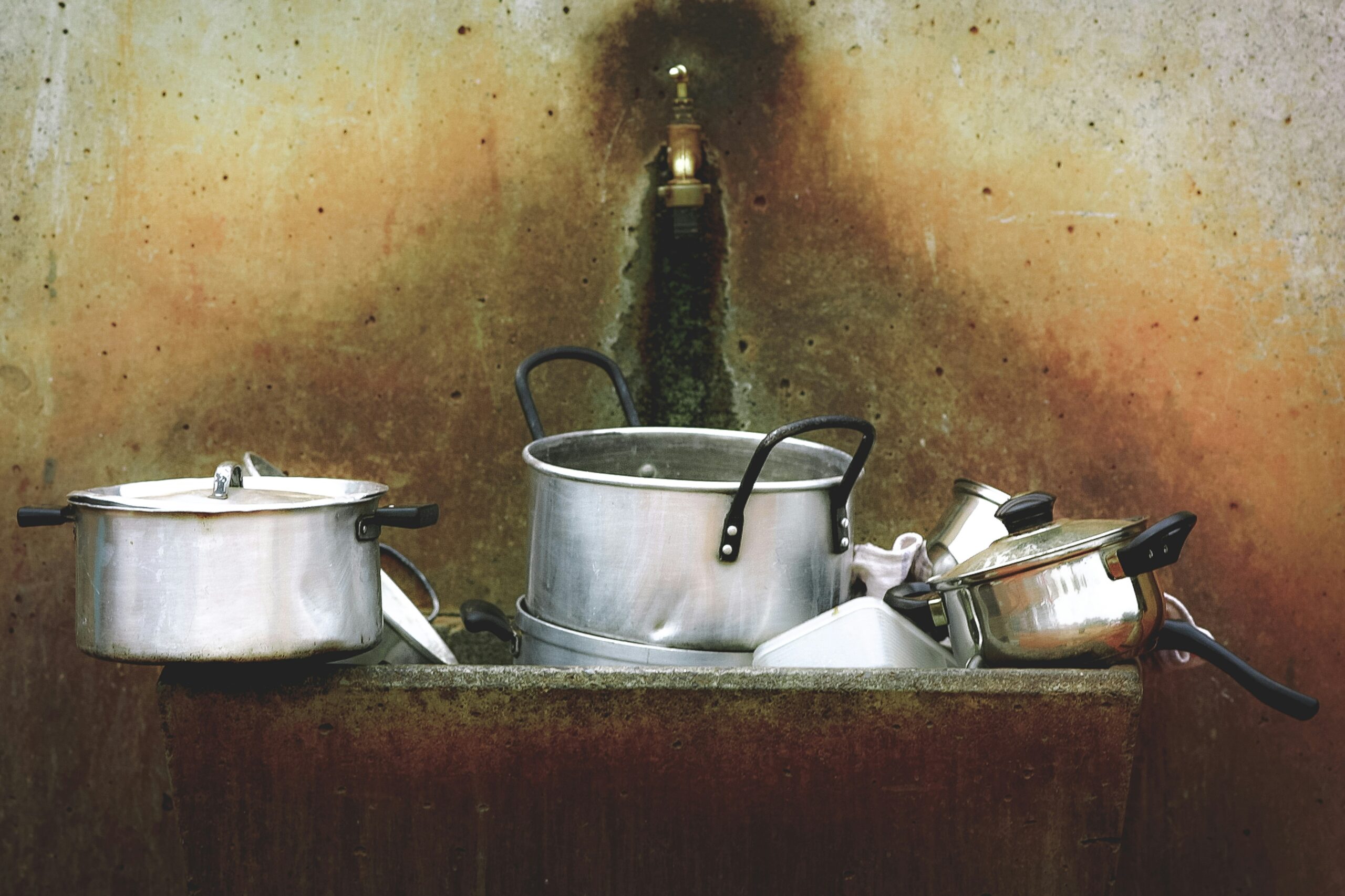
By a Couples Therapist Who’s Heard This Argument a Thousand Times
Are you tired of arguing about chores in your relationship? Let me explain why it’s rarely about the dishes—and how to break the cycle for good.
“It’s not that hard. Just put the dish in the dishwasher.”
Sound familiar?
If you’re in a relationship, chances are you’ve had some version of this argument—maybe more times than you’d like to admit.
One person feels like they’re doing all the work. The other person feels micromanaged. Voices rise. Someone storms off. And all because of… a cereal bowl?
But here’s the truth, from my therapist chair to your kitchen counter:
It’s not about the dishes. It’s about what the dishes represent.
It’s About Fairness, Not Forks
When one partner repeatedly leaves the sink full, it feels like a message:
- “I don’t respect your time.”
- “I expect you to clean up after me.”
- “Your needs aren’t as important as mine.”
Even if that’s not the intention, that’s often how it lands. And when that message is heard day after day, resentment starts to bubble.
This is why so many couples in therapy tell me, “We fight about stupid things.”
Spoiler alert: they’re never stupid. They’re just coded messages about deeper needs.
What’s Really Being Said
When you’re fuming over the dishes, try hitting pause and asking yourself:
“What am I actually needing right now that I’m not getting?”
It might be:
- Appreciation
- Support
- A break
- A sense of teamwork
- Emotional connection
When couples argue about chores, the subtext is usually:
“I feel alone in this partnership.”
But What If You’re the One Being Told to Do the Dishes?
Let’s flip it for a second.
If your partner’s mad about the dishes, and you find yourself thinking “Why are they overreacting?”—pause.
To them, it’s not just a dish. It’s a symbol of whether you notice them, care about the workload, or are showing up as a team player.
You don’t have to love doing chores to understand this:
In healthy relationships, partners look for ways to lessen each other’s burdens.
That doesn’t mean one person always picks up the slack—it means you both stay tuned in to what the other needs to feel supported.
So… How Do You Stop the Dish Wars?
Glad you asked. Here are a few therapist-approved strategies that work:
🧭 1. Shift From Blame to Curiosity
Instead of, “You never help,” try:
“When I see the dishes piling up, I feel overwhelmed and like I’m doing it alone. Can we talk about how to make this feel more balanced?”
📅 2. Create a Chore Plan (So You Don’t Have to Talk About It Every Day)
Resentment loves vagueness. Clarity kills it.
Whether it’s a shared checklist, alternating days, or certain “non-negotiables,” figure out a system that works for both of you.
🔄 3. Take Turns Picking Up the Slack
Life isn’t always 50/50. Sometimes it’s 80/20—then the other way around. The key is knowing when to step in rather than keeping score.
💬 4. Talk About the Meaning, Not Just the Mess
Say:
“I know it’s not just about the sink. Let’s talk about what’s really bothering us.”
This simple shift can unlock some very real, healing conversations.
💗 5. Appreciate the Effort
“I noticed you did the dishes—thank you.”
That sentence? It can melt tension like soap on a greasy pan.
Final Thoughts: Dishes Are Just the Doorway
Chore fights aren’t about who left the plate out—they’re about feeling seen, supported, and respected. When couples stop fighting about the dishes and start listening to the feelings beneath them, real change happens.
Because the truth is:
Your relationship matters more than a spotless sink.
Thinking about couples therapy?
Chore conflict might seem small, but if it’s part of a larger pattern of disconnection, it’s worth addressing. Therapy can help you uncover what’s really going on—and help you rebuild your partnership, one (clean) dish at a time.
The Silent Struggle: When One Partner Shuts Down—And How to Reconnect

If you’ve ever said, “Can we just talk about it?” and your partner responded with silence or withdrawal… you’re not alone.
It’s one of the most painful patterns couples face: one person wants to connect, the other pulls away. Over time, it can start to feel like you’re having a relationship with a wall.
This dynamic—sometimes called “stonewalling” or emotional shutdown—is what I call the silent struggle. And even though it’s silent, it’s loud in impact.
So why does it happen? And what can you do when you’re stuck in this painful loop?
Let’s dig in.
🧠 Why People Shut Down in Relationships
When your partner goes quiet during a disagreement—or pulls away when things get emotional—it’s not always about not caring. In fact, it often comes from feeling overwhelmed.
Here are a few common reasons people emotionally shut down:
- They fear conflict will make things worse
- They’re overwhelmed and don’t know what to say
- They’ve learned to “keep the peace” by going quiet
- They didn’t grow up with healthy communication models
- They feel criticized or not safe to be vulnerable
For some people, shutting down is their nervous system’s way of saying: “I can’t handle this right now.”
That doesn’t make it okay—but it does mean there’s something deeper going on than just being “difficult.”
💔 The Impact on the Relationship
If you’re the one trying to talk and your partner keeps shutting down, it can feel:
- Confusing
- Rejected
- Like you’re doing all the emotional work
- Like nothing ever gets resolved
This dynamic can start to feel like a pursuer/distancer cycle—one person chases, the other runs. And the more you push, the more they retreat.
Over time, this can build resentment and loneliness on both sides.
🛠️ So What Can You Do?
Here’s where the real work begins. Healing this pattern doesn’t mean yelling louder—or giving up. It means learning how to meet each other in the middle, with new tools and new understanding.
✅ 1. Get Curious, Not Critical
Instead of saying:
“Why do you always shut down?”
Try:
“I notice you go quiet sometimes. Is it because you’re feeling overwhelmed or something else?”
This opens a door, instead of slamming one shut.
✅ 2. Use Timeouts That Heal, Not Hurt
Some people need space to regulate before they can talk. That’s okay—as long as it’s not used to avoid everything.
Try this:
“Let’s take a 20-minute break and come back to this when we’re calmer.”
Set a time to return, so no one is left in emotional limbo.
✅ 3. Focus on Safety, Not Just Solutions
When a partner shuts down, often what’s missing is emotional safety. Therapy helps you both feel:
- Heard without judgment
- Safe to be vulnerable
- Respected even when you disagree
This is the soil where connection grows.
✅ 4. Work with a Couples Therapist
Sometimes, these patterns are so ingrained that you need a guide to help break the cycle.
In couples counseling, I help clients:
- Understand their triggers
- Communicate without shutting down or exploding
- Build emotional safety and trust
- Learn how to stay present even in tough moments
Therapy isn’t about assigning blame—it’s about rebuilding connection, one conversation at a time.
🧡 You’re Not Broken—You’re Human
If you’re in a relationship where silence has taken over, it doesn’t mean love is gone. It means there’s something unspoken that needs a voice.
Whether you’re the one who shuts down or the one left in the dark, there is a way forward. It starts with empathy. And often, a little support.
💬 Ready to Break the Silence?
If your relationship feels stuck in a pattern of shutdowns, I’d love to help.
Together, we can:
- Identify what’s behind the shutdown
- Rebuild communication that feels safe
- Create space for connection again
👉 Click here to schedule a consultation and take the first step toward reconnecting—without yelling, blaming, or giving up.