 11555 Heron Bay Blvd #242, Parkland, FL 33076

Tag Archives: working on your relationship
Stop Fighting About the Dishes! (It’s Not About the Dishes)
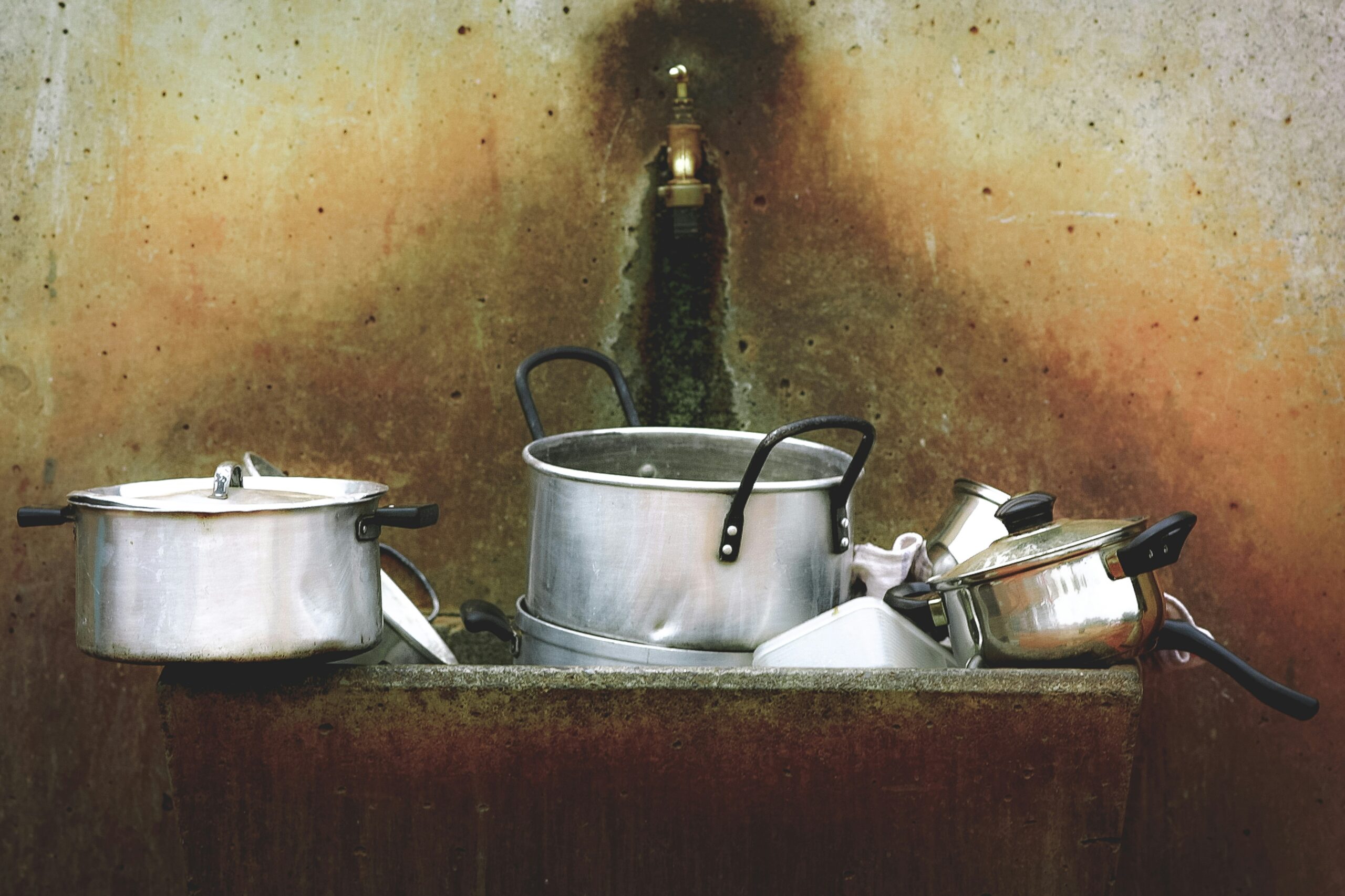

By a Couples Therapist Who’s Heard This Argument a Thousand Times
Are you tired of arguing about chores in your relationship? Let me explain why it’s rarely about the dishes—and how to break the cycle for good.
“It’s not that hard. Just put the dish in the dishwasher.”
Sound familiar?
If you’re in a relationship, chances are you’ve had some version of this argument—maybe more times than you’d like to admit.
One person feels like they’re doing all the work. The other person feels micromanaged. Voices rise. Someone storms off. And all because of… a cereal bowl?
But here’s the truth, from my therapist chair to your kitchen counter:
It’s not about the dishes. It’s about what the dishes represent.
It’s About Fairness, Not Forks
When one partner repeatedly leaves the sink full, it feels like a message:
- “I don’t respect your time.”
- “I expect you to clean up after me.”
- “Your needs aren’t as important as mine.”
Even if that’s not the intention, that’s often how it lands. And when that message is heard day after day, resentment starts to bubble.
This is why so many couples in therapy tell me, “We fight about stupid things.”
Spoiler alert: they’re never stupid. They’re just coded messages about deeper needs.
What’s Really Being Said
When you’re fuming over the dishes, try hitting pause and asking yourself:
“What am I actually needing right now that I’m not getting?”
It might be:
- Appreciation
- Support
- A break
- A sense of teamwork
- Emotional connection
When couples argue about chores, the subtext is usually:
“I feel alone in this partnership.”
But What If You’re the One Being Told to Do the Dishes?
Let’s flip it for a second.
If your partner’s mad about the dishes, and you find yourself thinking “Why are they overreacting?”—pause.
To them, it’s not just a dish. It’s a symbol of whether you notice them, care about the workload, or are showing up as a team player.
You don’t have to love doing chores to understand this:
In healthy relationships, partners look for ways to lessen each other’s burdens.
That doesn’t mean one person always picks up the slack—it means you both stay tuned in to what the other needs to feel supported.
So… How Do You Stop the Dish Wars?
Glad you asked. Here are a few therapist-approved strategies that work:
🧭 1. Shift From Blame to Curiosity
Instead of, “You never help,” try:
“When I see the dishes piling up, I feel overwhelmed and like I’m doing it alone. Can we talk about how to make this feel more balanced?”
📅 2. Create a Chore Plan (So You Don’t Have to Talk About It Every Day)
Resentment loves vagueness. Clarity kills it.
Whether it’s a shared checklist, alternating days, or certain “non-negotiables,” figure out a system that works for both of you.
🔄 3. Take Turns Picking Up the Slack
Life isn’t always 50/50. Sometimes it’s 80/20—then the other way around. The key is knowing when to step in rather than keeping score.
💬 4. Talk About the Meaning, Not Just the Mess
Say:
“I know it’s not just about the sink. Let’s talk about what’s really bothering us.”
This simple shift can unlock some very real, healing conversations.
💗 5. Appreciate the Effort
“I noticed you did the dishes—thank you.”
That sentence? It can melt tension like soap on a greasy pan.
Final Thoughts: Dishes Are Just the Doorway
Chore fights aren’t about who left the plate out—they’re about feeling seen, supported, and respected. When couples stop fighting about the dishes and start listening to the feelings beneath them, real change happens.
Because the truth is:
Your relationship matters more than a spotless sink.
Thinking about couples therapy?
Chore conflict might seem small, but if it’s part of a larger pattern of disconnection, it’s worth addressing. Therapy can help you uncover what’s really going on—and help you rebuild your partnership, one (clean) dish at a time.
How to Learn from Past Relationship Mistakes

As you look back on past relationships, dwelling on mistakes is natural. While reflection can provide insight, getting stuck in regret keeps you from moving forward. Rather than lamenting “what ifs,” view your relationship history as a learning experience. The challenges and missteps you’ve navigated have shaped who you are today.
To learn from past relationship mistakes, you must identify key issues. Analyze points of conflict and areas in which you struggled. Consider how you communicated and where you could have improved. Ask yourself hard questions to gain insight into your role in the relationship’s demise.
Once you identify issues, determine patterns. Do the same problems recur in your relationships? Are there certain types of partners or relationship dynamics you repeatedly choose that ultimately do not fulfill you? Recognizing unhealthy patterns is the first step to changing them.
Analyze Your Patterns
Recurring Themes
To avoid repeating mistakes, analyze your relationship history to identify themes. For example, do you frequently become involved with unavailable partners or struggle to communicate openly? Recognizing unhealthy patterns is the first step to changing them.
Attachment Style
Your attachment style refers to how you emotionally connect with romantic partners. If you have an anxious attachment style, you may worry about being abandoned and seek constant reassurance from your partner. An avoidant attachment style means you have difficulty trusting and depending on your partner. A secure attachment style leads to stable, healthy relationships. Knowing your attachment style can help you understand your behavior and needs.
Learn and Grow From Your Mistakes
To progress after a breakup, reflect on the experiences you’ve gained. Analyze what went wrong in the relationship and how you can grow from your mistakes.
Acknowledge Your Mistakes
It can be difficult, but take responsibility for your shortcomings. Perhaps you struggled with communication or jealousy. Recognize your faults and determine how to strengthen yourself in those areas going forward.
Forgive Yourself and Your Partner
Harboring resentment will only make you bitter. While the end of a relationship is hard, forgive yourself and your ex. This allows you both to move on in a healthy way. Forgiveness is for you, not them.
Prioritize Self-Care
Make self-care a top priority. Pursue hobbies, social engagements, and personal interests that boost your confidence from within. By valuing yourself, you establish standards for how you deserve to be treated in relationships. Healthy self-esteem will help you spot incompatible partners sooner and avoid unhealthy dynamics.
Develop Realistic Expectations
Do not search for an idealized partner. Instead, look for compatibility based on mutual understanding and respect. Understand that relationships require effort and compromise, not perfection, to thrive. With realistic expectations, you open yourself to finding a caring partner with whom you can build a sustainable connection over the long term.
Commit to Personal Growth
Use your newfound wisdom to better yourself. If you struggle with communication, take a class on those skills. If you want to build confidence, start a new hobby. Improving yourself will lead to healthier relationships down the road.
Moving Forward
The past cannot be changed, but you can learn from it.
Date Intentionally
When embarking on new relationships, be deliberate about your intentions and priorities. Seek partners with whom you share mutual care, trust, and values. Evaluate what you offer a partner, and look for those offering complementary traits.
Communicate Openly
Candid communication is key. Discuss your desires openly and listen without judgment. Share your fears and insecurities, as well as your hopes and dreams. Ask probing questions to foster understanding. Make requests clearly and check that your partner comprehends your meaning. Accept that misunderstandings will happen; commit to resolving them respectfully.
If you feel like you are repeating past relationship mistakes, counseling can be an excellent way to recognize and change patterns. Contact our office to book a consultation to see how we can help you in your future dating endeavors.
Why Insecurity Is Affecting Your Relationship and What To Do About It

You know that nagging feeling — the one telling you you’re not good enough for your partner? That’s insecurity talking. Insecurity can poison even the healthiest relationships, making you doubt yourself and your partner. It’s normal to feel insecure in a relationship from time to time. But chronic insecurity can damage the foundation of trust and intimacy you’ve built. If your partner frequently doubts themselves, you, or the relationship, it’s essential to understand why.
How Insecurity Negatively Impacts Your Relationship
Insecurity inevitably seeps into a relationship. It makes you question your partner’s feelings and motives, even when there’s no reason to doubt them.
1. Constantly Seeking Validation
Feeling insecure means constantly seeking validation from your partner. While reassurance is normal in a healthy relationship, needing it daily or multiple times a day is exhausting for your partner and makes you seem needy. It also prevents real intimacy from forming.
2. Having Trouble Trusting
When you’re insecure, you have difficulty trusting that your partner’s feelings for you are honest and lasting. You may accuse them of things they haven’t done or worry they will leave you for someone else. This lack of trust damages the foundation of your relationship and may even become a self-fulfilling prophecy.
3. Depending on Your Partner for Happiness
Relying on your partner to make you feel happy and secure puts an unrealistic burden on the relationship. No one person can be responsible for another’s happiness and security. When you make your partner the center of your world, you lose your sense of self and independence, causing resentment.
4. Comparing Yourself to Others
Feeling insecure often means comparing yourself to others and worrying you don’t measure up in your partner’s eyes. But the truth is, your partner chose to be with you for who you are — flaws and all. Comparing yourself to others only makes you feel worse and damages your self-esteem and the relationship.
Tips to Overcome Insecurity as a Couple
1. Communicate Openly
Talk to your partner about your feelings of insecurity. Let them know specifically what triggers your doubts and anxieties. Hearing them reassure you can help put your mind at ease. Make sure the lines of communication stay open — if new concerns arise, express them immediately instead of bottling them up.
2. Reassure Each Other
Give your partner frequent compliments, affection, and words of affirmation. Hold hands, tell each other you love them. Physical intimacy leads to emotional intimacy and security. Also, express your commitment to the relationship and future together.
3. Learn to Love Yourself First
The foundation of any healthy relationship is self-love. When you accept and appreciate yourself, you will be in a much better position to find a caring partner who loves you for who you are. However, many people struggle with insecurity and a lack of self-esteem, which can seriously damage relationships.
4. Address the Root Cause of Your Insecurity
Your insecurity likely stems from past experiences that caused you to doubt yourself. Maybe you had critical parents, bullying, or unhealthy relationships. The first step is acknowledging how these experiences impacted your self-worth. Speaking to a therapist or counselor can help you work through these issues.
5. Challenge Negative Self-Talk
Notice your negative thoughts about yourself and try to reframe them in a more positive, realistic way. For example, if you think, “No one will ever love me,” change that to, “I am worthy of love, and there are caring people who will appreciate me.” Speak to yourself with compassion and encouragement. Over time, the negative self-talk will fade.
6. Set Boundaries
Don’t let your insecurity cause you to become overly accommodating or a people-pleaser. Prioritize your needs while respecting your partner’s. Say “no” when you need to, and don’t be afraid to express your feelings. Healthy boundaries will boost your confidence and lead to better connections.
Avoid blaming each other, and focus on open communication. If you need help achieving this, book an appointment with us today.
How Insecurity Can Affect Your Relationship
Even if they don’t admit it, every person is insecure about something. We all would like to change something about ourselves, even if we don’t admit it out loud. We may not like our physical appearance or some part of our personality.
Additionally, it’s common to feel insecure about the people in our lives. You might question the intentions of your partner or a new friend. Maybe you grapple with questions such as, “Why haven’t they left me yet,” and catastrophize the event of your partner leaving, even if there’s no evidence of that occurring.
While we all have insecurities, they can impact our relationships. Here are a few ways and, most importantly, how to deal with them.
Insecurity and Its Impact On Relationships
Constant Need for Reassurance
It’s normal and completely human to feel the need for validation occasionally. After all, we all want to know that we are loved, appreciated, or any number of things. But how often are you doing this? Does it seem as if you are the one constantly asking for reassurance about your own worth with your partner?
This could be a sign of many things. One, it is a classic sign that, in some ways, you are insecure about your relationship or your place in your partner’s life. Alternatively, it could indicate that your partner isn’t communicating with you. Also, how often are you giving your partner the same reassurance?
Regardless of the situation, this creates an imbalance in the relationship when it seems one-sided versus a partnership.
Codependency
When you rely on someone else for happiness, you lose some of your independence. This can also lead to a risk of the relationship becoming codependent.
When you are insecure about your relationship or yourself, you will turn to your partner to seek validation. As we mentioned earlier, that’s completely fine. However, when you cannot find a good give-and-take, it can put a lot of strain on the relationship.
Sometimes, one partner relies more on the other, but it should never be one-sided.
Conflict
Inevitably, insecurity leads to arguments and tension in a relationship. When one partner constantly needs reassurance, it adds consistent pressure on the other person to do so. High tensions in a relationship can affect the relationship by causing a couple to argue about absolutely everything.
Insecurities can lead to toxic behaviors that are fueled by jealousy. For example, due to insecurities in a relationship, you might unintentionally cause arguments. When one person is constantly doubting the other, it can put a wedge between them. One of the consequences of this could be that trust is lost.
How to Deal With Insecurity
If you are dealing with insecurity in your relationship, it is likely making you feel as if the relationship is doomed. However, even though insecurity is present in the relationship, that does not mean the relationship is toxic.
While insecurities may not harm the relationship, they can cause some of the issues we listed above and more if they become out of control. Dealing with insecurities, whether it is with ourselves or our partners, is a deeply personal experience. When it comes to our own insecurities, we often don’t want to face them due to the root cause of why they are occurring. And knowing your partner has insecurities is just as challenging because you don’t want to bring them up and hurt their feelings.
If you aren’t sure where to start, don’t hesitate to reach out to us for couples counseling. Therapy can help you tackle the issues that are causing problems in your relationship as well as strengthen your connection with each other.
It’s time to start over!

How are you? I’m getting ready for fall and I know when Halloween comes, the end of the year will be here in a snap.
Whether you celebrate the Jewish holidays or not, I would like to say Happy New Year. If you know what I’m talking about, have you figured out what you want to bring into the New Year and what you want to leave out?
For those that don’t know about the Jewish Holidays, let me explain how Rosh Hashanah and Yom Kippur work.
Basically, you get a reset button on all the “not so good” stuff you did last year. For one day, Yom Kippur, you fast and then all of your mistakes are forgiven. Sounds good, right?
Well, if only it was that easy to forgive your partner, right?
What if it is?
What if one day you decide to look for the good in your partner instead of the bad? What if you’re only going to remind yourself about why you fell in love with your partner today and everyday!
Wondering how? Try these.
I appreciate-
Everyday for a week, sit down and say 5 things you appreciate about your partner and then listen to them say it to you.
Stress reducing conversations–
After you say what you appreciate, talk about something that is bothering you and have your partner listen and then switch sides.
Rituals of connection–
How are you doing on your rituals? If you aren’t doing them anymore, how about starting them up again.
Love maps–
How well do you know each other’s world? Sit down and talk about your love maps and see how well you know each other.
Okay, all fixed?
Of course not. There’s going to have to be a mindset switch from negative to positive. Are you getting your needs met by your partner? If not, talk to them and figure out what needs to change. Yes, you’re both great parents, children, aunts and uncles but what about just focusing on being a great partner!
I’m going to use this time to make some changes for the positive and I hope you do as well!
Looking forward to hearing about the changes you decided to make!
Is it really over?

How has your summer been? Are you finding time to connect? Is life as crazy as ever or do you find more time to spend together? I’m hoping that its finding more time to spend together!
If you are spending more time together, is it fun? Are you arguing more? Do you notice that you have the same arguments about the same few things?
No, I’m not a mind reader, but most of us do this (Yes, me included.) When you are with someone, you inherit their problems, well there are problems to you and might not be to them. Regardless it makes you fight and when you do fight, how do you know that fight is completely done? Umm, not sure? Let’s talk about it.
I talk a lot about triggers with my couples and your core and what is really important to you. Meaning what will get you to fight and what can you let go? For me, it’s a lot about respect and feeling cherished. If I’m feeling those two things then I can let others go. If I’m not, then it seems as if the nit picking is through the roof!
So, how do you know that a fight is truly behind you?
Just the facts
Can you agree to just agree on this one? Are you sure? If your giving in, that’s not the same as agreeing so if you’re calm and talking about facts that’s a good sign!
Code words
Love can be complicated for sure and that includes fighting. If you have repeat fights over and over again, how about you come up with a code word to alert each other when that’s happening. Start to notice when you get into that pattern.
All the triggers
Once you know your triggers, you can figure out what you’re doing right and what you’re doing wrong. Remember it’s all within you. Your partner is not making you upset, you’re upset about something. Keep a record of what upsets you and try to be mindful of them.
Calm talking
Once you both have calmed down, sit down and talking about what happened. Talk about emotions, your perspective, your triggers, how you can take responsibility and what you are sorry about. Doing this whole process will help you truly move past this incident.
Is this easy?
Nope, no way, no how and nada. Truly moving past an argument that you have time and time again will help you learn how to work on the good stuff, stay connected and want to spend more quality time with each other!
Workin’ for a livin’

Hope you’re well. We’re quickly approaching summer! Not sure about you, but it’s been super busy around here and I’m looking forward to the slower pace over the summer. We’ve had a lot of travel for work lately. My husband has had 3 business trips in the last 2 months and yes, I went to a Gottman Level 3 refresher course to get even more knowledge to help all of my couples!
That’s a lot of long distance time. I’ve been in a long distance relationship in the past and they are a struggle.
How do you manage when one or both of you is traveling for work?
Do you do the same rituals of connection that you do when you’re both home? It is easier or harder for you to stay connected?
For us, it’s much easier to stay connected when we’re both in the same house and staying connected has been a work in progress, but I can say that we have nailed it! I wanted to share some tidbits on what I believe works.
What’s Working
- Rituals of connections: Yes, it’s even more important to discuss about your day and work on those rituals while you’re away. Now is a good time to create new rituals to help you throughout the day to stay connected.
- Talk/FaceTime everyday: In the past it seemed more important for my husband to FaceTime with our children than with me. We lumped our talks together. Recently, we realized that talking to the kids was one thing, us chatting was another. Take some time and chat everyday. Even it is for a few minutes. But try to separate kid time and couples time if you can.
- Nighttime: Say goodnight to each other even if it’s through text or email. End the day and start the day with something to connect you. I know these are rituals but they’re the ones that I think are the most important.
- Expectations: Before the trip, talk about your and your partner’s expectations about what the distance means to both of you. Understand that your needs are coming from a place of love, not so much of the place of nagging. If knowing your partner is safe when they land, let them know. If knowing if your partner is back in their hotel room, let them know.
- Talk it out: If something is bothering you, figure out a good way to express it and talk it out. Waiting for your partner to return will only lead to the build up and who wants that!
- Love languages: Do you know what your love languages are? If you do, let’s make sure both of them are being honored while you’re apart from each other.
I thought I’ do the good and the bad
Yea, but I changed my mind. Let’s just focus on what you can do to stay connected if one of you are away. Remember how you stay connected when you’re at home and find something similar or create something completely new when you’re apart. Don’t wait until your partner gets home to unload on them. Stay connected and remember that your mental loads are both high. If you’re home, you’re taking care of everything here, if you’re away, you’re missing home and trying your best to do the best job you can do while you’re away.
And then come back together
Make sure you reconnect instead of just going about your business as usual. Enjoy this time apart and who knows, you can use it to flirt, connect and just have fun together!!
Happy traveling!!
Ps. If you have something else that works while your traveling, please share it with us so we can all learn from you!
Until next time!
PPS. if you don’t know your love languages and you want to take a quiz https://www.5lovelanguages.com/profile/
It’s not me, perhaps it’s not you either
I get a ton of calls and emails about counseling and I’ve helped people out who aren’t a good fit for me. It gets a bit more complicated when you are looking for couple’s therapy and then the conversation goes a bit deeper.
Let’s see if we are a good fit to work together.
Not a Good Fit
- You are looking for someone that takes insurance – Okay, here’s my take on insurance. With any insurance company they need a diagnosis. Even if you are going to individual therapy, they will require a diagnosis. Who thinks there’s a diagnosis for couples’ therapy? There isn’t, but unfortunately, there still needs to be an identified patient and only one person gets billed. Nope, not what I’m into. I’ll happily help you submit your receipts to get reimbursed, but that’s up to you. I’ll also suggest if you want to use your insurance, look at your insurance panel for people in your network!
- If you are working on something that your not willing to share – I can only help you if you let me. If you hide things from me and hide things from yourself, then therapy will not be a good fit and I especially will not be a good fit.
- You’re not ready to change – Therapy only works if you want it to work. If you’re coming to make your partner happy or thinking they’ll change because you came, then it won’t work out for us.
Let’s Work Together
- Ready, set, go – You’ve done the work to accept that things need to be different and you’re willing to make changes in yourself.
- Regularity is the key – As with everything, the more you do it, the easier it is. Practice makes perfect. Why oh why do we not prioritize our own relationships and self-care? If you’re starting therapy, let’s make a commitment to set aside some time for it. It’s just an hour of your day and it’s so very cool when you’re present and ready to work!
- You’re ready but your partner isn’t – Being happy or even content in your life has nothing to do with anyone else. If you’re ready, pick up the phone and make an appointment. If you’re not, then don’t. If you’re waiting for the right time, I can tell you there is no right time. Let’s do this.
I’m interested helping, right?
There are a ton more reasons to work together than not. I’m only interested in helping people become better versions of themselves or remember why you fell in love with all those lovely quirks but now they annoy you.
When you make the decision to go to therapy, it should be a huge relief because now you have someone that can help you understand all those things that you don’t understand yourself. Shew, sounds good right. Hope so, let’s put the NOT’s aside and thing of the reasons to do this.
Look forward to connecting soon.
If you’re wondering if therapy is right for you, here’s a quiz to take https://www.facetofacetherapy.com/quiz/relationship-need-counseling
We can do this together!

| How are you doing today? We’re already in March, almost in April even, and the year is in full swing. How are you doing on those goals you set up for yourself? How is your partner doing on the same goals? Did you read that correctly? Yes, of course you made goals/resolutions together to accomplish this year, right? |
| Well, if you’re reading this and thinking, umm, nope, I didn’t think about this before… no worries, let’s start to think about it now and figure out what goals/resolutions you should do together. |
| Spending time together How are you doing with this one? Are you making time for each other? Are you putting your relationship somewhat on the top list of things to do? If not, that’s okay, let’s say at least an hour a day or one date night a week for now. Parenting Are you two aligned on parenting? This is always a struggle for sure but an important goal to have when you’re trying to stay sane! Work on what this means for you and how you will accomplish your goals with parenting. Nutrient Gosh, there are so many different eating plans out there now. Which one are you on? Are you both aligned how you’re eating? It helps out a lot to have a partner in crime if say you’re doing intermittent fasting and you’re trying to fast and still do everything else. Yes, you can reach out to others but that’s not the point of joining. Do it together and see how you can support each other. Exercise Was this on your goal list for the year? How are you doing with it? Are you both on the same page as far as exercise is going? At least are you in the same chapter? If not, let’s work on it. Support each other and try to boost each other up. Careers Whether you both work or if one of you works and other stays at home, there’s a balance that always needs to be in place. Are you supportive in your roles together? Are you feeling as your partner has your back? Talk about this and see where you are. I’m hoping the answer is YES. There isn’t much else in this world if your partner doesn’t have your back. |
Yep, you can do this together!!!
| Yep, you can do this together!!!Thinking about changing something up in your life? Are you worried that your partner is not by your side? I use that word partner a lot and it has so many important meanings for sure. I would love to know how you support each other and what you do together to have each other’s back. |
Let’s listen to others today

In my years of working with couples, I have gotten some great advice on how to work with couples. I have also gotten some good tidbits from all the trainings that I do. I was wondering if there was anything else out there that would spark my interest so I found an article that asks couples what they do to spark interest in each other. I really liked it so I’m going to share some of the quotes that I found interesting.
TRY THE TWO-MINUTE RULE
“Basically, anything can wait for two minutes. You have to pee? Got dinner cooking on the stove? Need to make an important phone call? Everything in life can wait for two minutes if it means making your spouse feel loved. So, when one of us calls for two minutes the other person has to stop whatever they are doing and we go find a place to be alone together. For those two minutes you are not allowed to check a cell phone, answer a child, think of other tasks you need to do. At the end of the two minutes, either person has the right to say they need to get back to what they were doing and the other person can’t be sad or offended. We’ve been using this rule for over 10 years now and it’s my favorite thing. Even our children know that when mom and daddy are having two minutes they cannot bug us.”
—Lizzy V., Fort Mill, SC
VOLUNTEER TOGETHER
“Volunteering together keeps the spark alive in our relationship by connecting to something that is bigger than our own problems. We don’t have a perfect relationship, but we have a really great one. And nothing is sexier than seeing him help someone in need.”
—Chris G., Sacramento, CA
WHISPER SWEET NOTHINGS
“We decided early on is that we would never ever put each other down or say anything negative about the other one in front of others. We’ve made it a practice to only say supportive and kind things to each other in public and save disagreements for when we’re alone. And even then we make sure to keep it civil. It’s worked for us for 26 years.”
—Tammy N., Seattle, WA
SAY THOSE THREE LITTLE WORDS
“The last thing we say to each other each night are the words ‘I love you.’ No matter how long or hard the day has been, we end it with love.”
—Dave G., Denver, CO
SCHEDULE TOGETHER TIME
“We’ve learned that if date night is going to happen we have to schedule it, just like we would any other obligation. Now, everyone knows I am simply not available Fridays from 5 to 7 p.m. and they respect that.”
—Alison M., New York, NY
SAY THANK YOU
“Each night before falling asleep my husband thanks me for doing something that day. It could be anything from running an errand to doing the dishes to making a delicious dinner. It makes me feel appreciated and not taken for granted. And I do the same for him. It’s nice to fall asleep thinking about the reasons we like each other.”
—Lisa G., Westminster, CO
EAT TOGETHER
“My wife and I make it a point to always eat breakfast and dinner tonight, no matter how early or late it has to happen. We’re celebrating our 40th anniversary this summer so something must be working!”
—Thomas H., Eau Claire, WI
DO SOMETHING TO MAKE THEM HAPPY
“We find little things we can do that will make the other person happy, like getting them a favorite treat or running an errand for them. The happiness of your spouse should be your first priority, for each of you. We just had our oldest daughter get married and that’s the advice we gave her!”
—Toby D., Lakeville, MN
COUPLES THERAPY
“Sometimes when the spark is gone from a relationship, there’s a real reason. My husband and I have done marriage counseling, individual therapy, and appropriate medications (not to mention a large dose of humor). It’s saved our marriage.”
—Julie S., Washington, DC
Couldn’t resist the last one!! I picked the ones that I thought were interesting. Here’s the whole article in case you want to read it https://www.redbookmag.com/love-sex/relationships/g4569/happy-couples-healthy-relationship-advice/
I would love to hear the ways you keep the romance going in your relationship. There are so many good ones here. I especially like the 2 minute rule because it’s just so true. What is your favorite?