 11555 Heron Bay Blvd #242, Parkland, FL 33076

Tag Archives: Couples
How to Grow Individually Without Growing Apart


A Therapist’s Guide to Staying Connected While Becoming More Yourself
Is it possible to grow as individuals and as a couple? Absolutely. A couple’s therapist explains how to support personal growth without losing connection in your relationship.
“I love you… but I’m changing.”
“I need space to grow—but I don’t want to lose us.”
Sound familiar?
This is one of the most delicate dynamics I see in couples therapy: one or both partners are evolving—personally, professionally, emotionally and the relationship feels… off.
You still care. You’re still committed.
But something’s shifting.
Here’s the good news: you can absolutely grow individually without growing apart.
But it takes intention, communication, and a willingness to rewrite old relationship rules.
Let’s talk about how.
Why Individual Growth Is Good for the Relationship
First, let’s debunk a myth:
Healthy couples are not enmeshed. They are interdependent.
That means you’re deeply connected and have your own identities, interests, and inner worlds.
In fact, individual growth can actually energize the relationship:
- It brings in new ideas, passions, and stories.
- It keeps the relationship from stagnating.
- It allows each partner to thrive rather than shrink to fit.
But when growth is handled poorly, without communication or empathy, it can feel like distance, disinterest, or even betrayal.
How Growth Can Trigger Disconnection
Here are a few ways personal development can unintentionally shake a relationship:
- New interests create less shared time.
One partner starts running marathons, diving into grad school, or joining new communities—and suddenly your rhythms are off. - Shifts in values or identity emerge.
This might look like changing spiritual beliefs, evolving gender expression, or redefining life goals. - One partner feels “left behind.”
When one person is expanding and the other feels stagnant, it can stir up insecurity or resentment.
5 Ways to Grow Without Drifting
1. Name the Growth
Don’t hide your evolution.
Let your partner into the process—even if it feels messy or uncertain.
Say things like:
“I’ve been thinking a lot about who I want to be in this next phase.”
“I’m learning things that are changing how I see myself—and I want to share them with you.”
Inviting your partner into your internal world keeps them close.
2. Stay Curious About Each Other’s Changes
Your partner isn’t a static character—they’re a living, evolving human being.
Ask open-ended questions:
- “What’s been lighting you up lately?”
- “Has anything been shifting for you recently?”
- “What’s something new you’re learning about yourself?”
Curiosity is intimacy.
3. Create Rituals of Connection
Even if your schedules shift or interests diverge, rituals keep you grounded in “us.”
It could be:
- A weekly walk
- A Sunday coffee date
- A nightly 10-minute check-in
Consistency builds safety in times of change.
4. Communicate Boundaries With Care
Growth sometimes requires space—mental, emotional, or physical.
But space doesn’t have to mean distance.
Instead of disappearing, say:
“I need time to process some things alone—but I’ll check in with you after.”
That simple reassurance can make all the difference.
5. Reflect on Your Shared Future
Just because you’re growing doesn’t mean you’re growing apart.
Keep asking:
- “What kind of life are we still building together?”
- “What values still unite us?”
- “How can we support each other’s evolution while staying rooted in our ‘why’?”
When individual growth is woven into shared meaning, relationships become more flexible—and more resilient.
Final Thoughts: You Don’t Have to Choose
You don’t have to choose between yourself and your relationship.
In fact, your relationship should be one of the few places in your life where you can grow freely, unapologetically—and still be deeply loved.
The best partnerships don’t resist growth.
They make space for it—together.
Need help navigating individual growth as a couple?
Couples therapy can help you build a relationship that honors both we and me.
“It’s Just a Like”—How Social Media Affects Relationships More Than You Think

🧠 “Why were you liking her photos at 2 a.m.?”
💔 “You never post me. Are you embarrassed to be seen with me?”
😡 “He replied to her story in less than a minute, but hasn’t texted me back all day.”
Sound familiar?
As a couples therapist, I can tell you: social media comes up in the therapy room more than almost anything else.
It’s not just about jealousy or attention—it’s about visibility, boundaries, and emotional security.
Let’s talk honestly about how social media can affect your relationship—and how to keep it from becoming a third partner in your marriage.
📱 It’s Not Just an App
Social media might live in your phone, but it affects how you see yourself, how you view your partner, and how you measure the health of your relationship.
It’s a mirror. It’s a stage. And sometimes, it’s a weapon.
Here’s how it can quietly shape your connection:
1. The Comparison Trap
You see your friend’s anniversary reel with matching outfits and rose petals on the bed.
You start wondering: “Why don’t we do things like that?”
Couples start comparing their behind-the-scenes to someone else’s filtered highlight reel—and it can breed quiet dissatisfaction, even when things are going fine.
Therapist Tip: If scrolling leaves you feeling “less than,” it’s okay to mute accounts that trigger insecurity. Protecting your peace is a love language, too.
2. Likes, Follows, and the Need for Validation
It may seem silly, but for many people, digital attention = emotional validation.
- “You like her bikini photos, but never comment on mine?”
- “Why didn’t you post anything for my birthday?”
- “You’re still following your ex?”
These behaviors might feel harmless to one partner and like a red flag to the other. And when expectations aren’t clearly communicated, it creates confusion and hurt.
Therapist Tip: Have a direct conversation about your social media boundaries—even if it feels awkward. What’s okay? What’s off-limits? What makes you feel secure?
3. Digital Distractions & “Phubbing”
“Phubbing” = phone + snubbing.
It’s when you’re physically with your partner—but emotionally glued to your phone.
Over time, it can feel like you’re more invested in other people’s lives than the one sitting beside you.
Therapist Tip: Create tech-free connection zones—like no scrolling at dinner, or no phones in bed after 10 p.m. Intimacy thrives in presence.
4. DMs, Secrecy, and Emotional Affairs
Not all affairs are physical. Social media makes it so easy to reconnect with old flames or strike up emotionally charged conversations behind a partner’s back.
If your partner wouldn’t feel okay reading your messages, or if you’re hiding certain conversations—pause. That’s a signal.
Therapist Tip: Emotional fidelity matters. Openness about online interactions builds trust—even more than access to passwords.
5. The Pressure to Perform
Posting the “perfect” couple photos, making date night Instagrammable, captioning everything with #blessed…
Sometimes, couples feel pressure to appear happy rather than be happy.
Over time, this disconnect can feel hollow—like you’re acting out a relationship for an audience, instead of for each other.
Therapist Tip: Focus on creating real memories, not just content. The moment matters more than the post.
So… Should You Just Quit Social Media?
Not necessarily.
Social media isn’t bad—but how you use it matters.
Some couples bond over funny reels. Some post each other proudly. Some set digital boundaries and check in when something feels off.
The key is intentionality and conversation.
3 Questions Every Couple Should Ask Each Other
- What kind of social media behavior makes you feel loved and seen?
- What makes you feel uncomfortable or unsafe online?
- How can we use social media to support our relationship, not stress it out?
Final Thoughts: Choose Each Other Over the Algorithm
At the end of the day, your relationship deserves more than passive scrolling, algorithm-driven validation, or heart emojis from strangers.
It deserves presence, honesty, and attention.
So the next time you’re tempted to post the perfect picture, pause.
Look at your partner.
Ask them how their day really was.
That one small moment might mean more than any “like” ever could.
Want to explore this more deeply?
If social media has become a source of tension in your relationship, therapy can help you unpack it—without blame, shame, or judgment.
How to Reconnect After a Blowout Fight — Without Rehashing Everything

We’ve all been there: voices raised, doors slammed, and that heavy silence that lingers afterward. Blowout fights can leave both partners feeling raw, disconnected, and unsure how to find their way back.
And let’s be real—sometimes the last thing you want is to reopen the argument and dissect it for hours. Good news: reconnecting doesn’t always require rehashing every painful detail.
Here’s how you can repair, reset, and restore closeness—without re-triggering the fight.
Why Blowout Fights Leave Us Feeling So Stuck
When a fight gets heated, your nervous system goes into overdrive. Adrenaline is pumping, your heart races, and your brain shifts into “survival mode.” That’s why so many fights spiral out of control—you’re no longer problem-solving, you’re defending.
Afterward, it’s common to feel:
- Drained and disconnected
- Unsure if your partner even cares anymore
- Tempted to just sweep it under the rug
The key to healing isn’t replaying the fight—it’s finding ways to reconnect emotionally.
How to Reconnect Without Rehashing Everything
Here are a few therapist-approved ways to bridge the gap after a big argument:
✅ 1. Pause Before Repairing
Give yourselves some breathing room. You can’t reconnect when you’re still in fight-or-flight mode. Step away, take a walk, or sleep on it if needed. A short pause prevents more damage and sets you up for a real repair.
✅ 2. Lead With Love, Not Logic
When you reconnect, don’t start with the details of who said what. Instead, try something simple like:
- “I hate when we fight like that. I still love you.”
- “I don’t want this to come between us.”
These statements shift the focus back to the relationship, not the argument.
✅ 3. Offer a Repair Gesture
Sometimes words aren’t enough. A gentle touch, a hug, making their coffee, or sending a lighthearted text can be powerful signals of care. Think of it as a peace offering—not to erase the fight, but to remind each other you’re still a team.
✅ 4. Acknowledge the Impact (Without Rehashing Details)
You don’t need to replay the blow-by-blow. Instead, acknowledge feelings:
- “I know I hurt you when I snapped.”
- “I felt overwhelmed and didn’t handle it well.”
Validation goes a long way in restoring trust.
✅ 5. Make a Gentle Plan for Next Time
Without deep-diving into the fight, agree on one thing you’ll both try in the future. For example:
- “Next time we’ll take a 10-minute break when things get heated.”
- “Let’s agree not to bring up tough stuff when we’re exhausted.”
It’s about moving forward, not replaying the past.
Real Talk: Repair Is More Important Than Perfection
Every couple fights. What separates healthy relationships from struggling ones isn’t whether arguments happen—it’s how partners repair afterward.
When you focus on reconnection, safety, and love, you build resilience. Each repair is like a bridge that makes your relationship stronger for the future.
Need Support Learning How to Repair?
If your fights feel overwhelming or you keep getting stuck in the same cycle, couples counseling can help. Together, we’ll practice repair strategies, improve communication, and create new patterns that build trust instead of breaking it.
👉 Schedule a consultation today and learn how to fight less, reconnect faster, and love deeper.
“You’re Not Listening to Me!”: Why We Hear Each Other But Still Feel Unheard


A Therapist’s Take on Miscommunication in Relationships
“You’re not listening to me.”
It’s one of the most common frustrations I hear in couples therapy.
And guess what?
In most cases, they actually are listening—just not in the way that matters.
Let me explain.
👂 The Difference Between Hearing and Being Heard
There’s a big difference between:
- Hearing words
- And hearing the emotion behind the words.
Example:
Partner A says, “I feel like you don’t want to spend time with me.”
Partner B responds, “That’s not true. We went to dinner Tuesday.”
That response might be factually correct—but it totally misses the emotional need.
What Partner A wanted was:
- Reassurance
- Validation
- Emotional connection
What they got was:
- Data and defensiveness
🧠 Why This Happens (Even In Loving Relationships)
Couples don’t struggle because they don’t care.
They struggle because their styles of communication are mismatched.
- One partner wants solutions.
- The other wants empathy.
- One communicates in logic.
- The other leads with feeling
- One wants to “fix it fast.”
- The other wants to “feel it through.”
These aren’t wrong ways to communicate. But when they collide, both people end up feeling unheard—even while having the same conversation.
🔄 What It Sounds Like in Real Life
What’s said: “I feel like you don’t care.”
What’s heard: “You’re a bad partner.”
What’s said: “I just need you to listen.”
What’s heard: “I don’t want your help.”
What’s said: “Can you not check your phone when I’m talking?”
What’s heard: “You’re always doing something wrong.”
See how quickly things can spiral?
🧰 The Fix: Reflective Listening (It Works—Promise)
This one tool can change your entire relationship dynamic:
👂 Reflective Listening 101:
- Listen without interrupting.
- Repeat back what you heard.
“So you’re saying you felt dismissed when I walked away?” - Ask if you got it right.
“Did I understand that?” - Only then… respond.
You don’t have to agree.
You don’t have to fix.
You just have to make your partner feel heard before anything else can happen.
❤️ It’s Not About Getting It Perfect—It’s About Showing Up
You don’t need to become a therapist to improve your communication.
You just need to:
- Slow down
- Stay curious
- And check in before you check out of the conversation
Final Thoughts: Feeling Heard is Emotional Oxygen
Most partners aren’t asking for perfection.
They’re asking for presence.
For a moment where their experience lands in someone else’s heart—not just their ears.
The next time your partner says something that sparks defensiveness, try this:
“Help me understand what you’re feeling right now.”
It’s not magic. But it’s close.
Want to go deeper?
Therapy can help you build communication habits that actually stick.
You’re Having the Same Fight Over and Over Again: What It Really Means

You know that feeling—same fight, different day. Whether it’s about chores, money, in-laws, or how much time you spend on your phone, the script never seems to change. You bring it up, your partner reacts, and before you know it, you’re circling the same frustrating loop again.
So what’s going on here? Are you doomed to repeat this forever? Not at all. But it does mean that your fight isn’t about what you think it’s about.
Why Couples Have the Same Fight on Repeat
When couples get stuck in a loop, it usually points to something deeper beneath the surface. Here are the most common reasons:
1. It’s Not About the Dishes (or the Money, or the Phone)
The topic is often just the trigger, not the root issue. Arguing about dishes may really be about feeling unappreciated. Arguing about money may really be about safety or trust.
2. You’re Triggering Each Other’s Raw Spots
We all have emotional “raw spots”—old wounds from childhood or past relationships. A simple disagreement can hit those spots, making us react much bigger than the situation calls for.
3. You’re Playing Out a Pattern
Therapists often see “pursuer-distancer” dynamics: one partner pushes for resolution, the other retreats. The more one pushes, the more the other pulls away. It’s not about the topic—it’s about the cycle.
4. Unmet Needs Are Driving the Conflict
Underneath recurring fights are usually unmet needs: for attention, appreciation, respect, or emotional closeness. Until those needs are acknowledged, the fights keep resurfacing.
Breaking the Cycle: How to Move Forward
Here are a few ways to stop replaying the same painful script:
✅ 1. Name the Pattern Together
Instead of diving right into the fight, step back and say:
“Hey, I think we’re stuck in that same loop again.”
Naming it takes the heat out and turns it into a shared problem rather than a blame game.
✅ 2. Ask: “What’s This Really About?”
Pause and ask yourself: What am I really needing here?
Maybe it’s not about the laundry—it’s about wanting more teamwork. Naming the deeper need shifts the conversation to what matters.
✅ 3. Change the Script Mid-Conversation
If you notice things spiraling, break the cycle with a repair attempt:
- Light humor (“Okay, déjà vu—let’s hit pause.”)
- A gentle gesture (reaching for their hand)
- Saying, “I don’t want to fight. I just want us to understand each other.”
✅ 4. Try a “State of the Union” Check-In
Set aside a calm, weekly time to check in on your relationship. Talk about what’s going well and what feels tough—before it explodes into a fight.
✅ 5. Get Support if You’re Stuck
Sometimes, patterns are so ingrained that you need a neutral guide. Couples therapy helps you see the cycle, unpack the deeper needs, and learn new ways of talking (and listening).
Final Thoughts
If you keep having the same fight over and over again, it’s not a sign your relationship is broken. It’s a signal. A signal that there’s an unmet need or unspoken fear beneath the surface.
Once you start addressing the real issue—not just the surface fight—you can finally break free from the loop and feel more connected again.
Ready to Stop the Cycle?
If you’re tired of repeating the same arguments, couples counseling can help. Together, we’ll:
- Identify the real issues behind the fights
- Break unhealthy patterns
- Rebuild safety and connection
👉 Schedule a consultation and start creating new conversations—ones that bring you closer instead of pushing you apart.
Stop Fighting About the Dishes! (It’s Not About the Dishes)
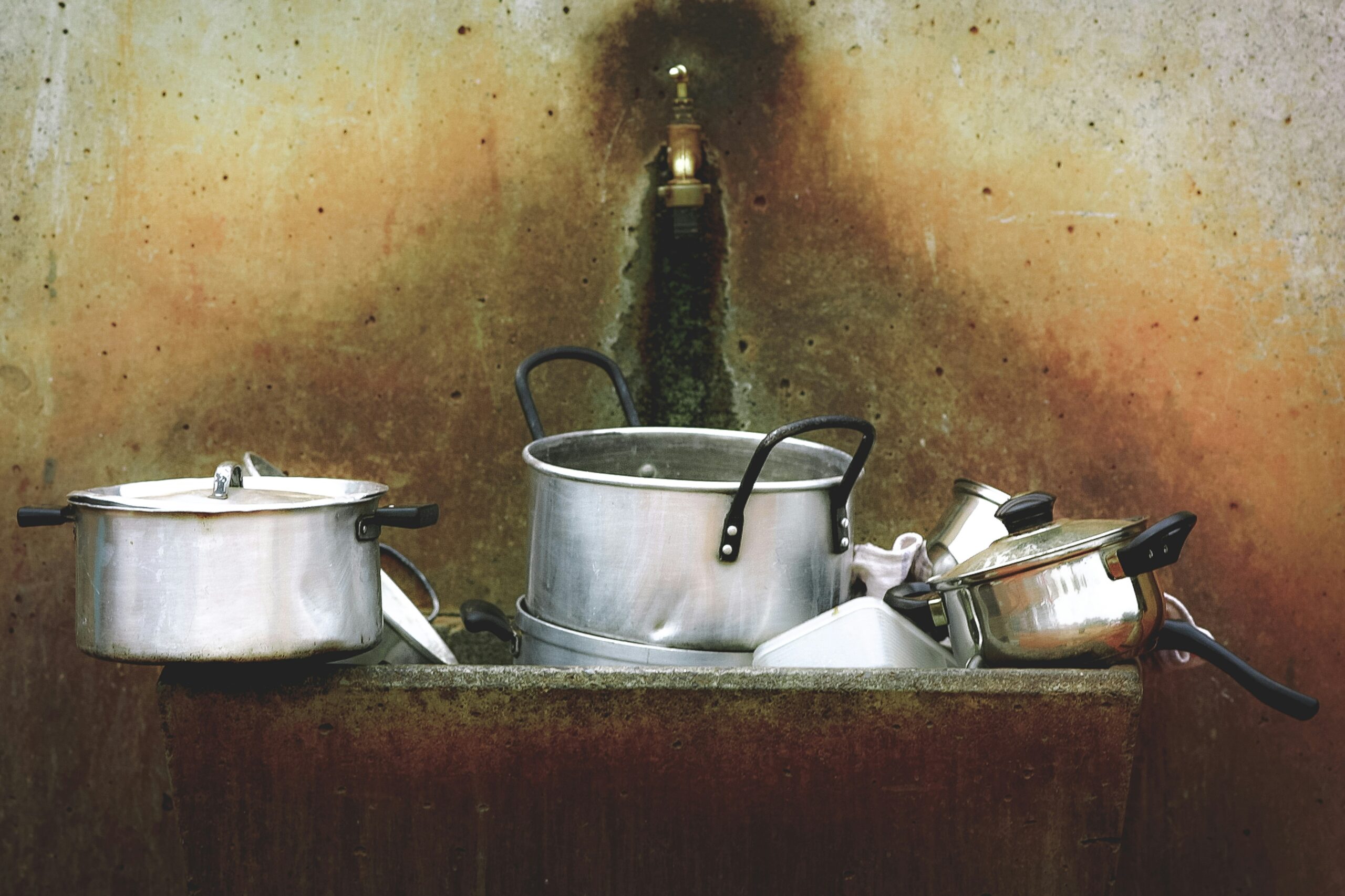
By a Couples Therapist Who’s Heard This Argument a Thousand Times
Are you tired of arguing about chores in your relationship? Let me explain why it’s rarely about the dishes—and how to break the cycle for good.
“It’s not that hard. Just put the dish in the dishwasher.”
Sound familiar?
If you’re in a relationship, chances are you’ve had some version of this argument—maybe more times than you’d like to admit.
One person feels like they’re doing all the work. The other person feels micromanaged. Voices rise. Someone storms off. And all because of… a cereal bowl?
But here’s the truth, from my therapist chair to your kitchen counter:
It’s not about the dishes. It’s about what the dishes represent.
It’s About Fairness, Not Forks
When one partner repeatedly leaves the sink full, it feels like a message:
- “I don’t respect your time.”
- “I expect you to clean up after me.”
- “Your needs aren’t as important as mine.”
Even if that’s not the intention, that’s often how it lands. And when that message is heard day after day, resentment starts to bubble.
This is why so many couples in therapy tell me, “We fight about stupid things.”
Spoiler alert: they’re never stupid. They’re just coded messages about deeper needs.
What’s Really Being Said
When you’re fuming over the dishes, try hitting pause and asking yourself:
“What am I actually needing right now that I’m not getting?”
It might be:
- Appreciation
- Support
- A break
- A sense of teamwork
- Emotional connection
When couples argue about chores, the subtext is usually:
“I feel alone in this partnership.”
But What If You’re the One Being Told to Do the Dishes?
Let’s flip it for a second.
If your partner’s mad about the dishes, and you find yourself thinking “Why are they overreacting?”—pause.
To them, it’s not just a dish. It’s a symbol of whether you notice them, care about the workload, or are showing up as a team player.
You don’t have to love doing chores to understand this:
In healthy relationships, partners look for ways to lessen each other’s burdens.
That doesn’t mean one person always picks up the slack—it means you both stay tuned in to what the other needs to feel supported.
So… How Do You Stop the Dish Wars?
Glad you asked. Here are a few therapist-approved strategies that work:
🧭 1. Shift From Blame to Curiosity
Instead of, “You never help,” try:
“When I see the dishes piling up, I feel overwhelmed and like I’m doing it alone. Can we talk about how to make this feel more balanced?”
📅 2. Create a Chore Plan (So You Don’t Have to Talk About It Every Day)
Resentment loves vagueness. Clarity kills it.
Whether it’s a shared checklist, alternating days, or certain “non-negotiables,” figure out a system that works for both of you.
🔄 3. Take Turns Picking Up the Slack
Life isn’t always 50/50. Sometimes it’s 80/20—then the other way around. The key is knowing when to step in rather than keeping score.
💬 4. Talk About the Meaning, Not Just the Mess
Say:
“I know it’s not just about the sink. Let’s talk about what’s really bothering us.”
This simple shift can unlock some very real, healing conversations.
💗 5. Appreciate the Effort
“I noticed you did the dishes—thank you.”
That sentence? It can melt tension like soap on a greasy pan.
Final Thoughts: Dishes Are Just the Doorway
Chore fights aren’t about who left the plate out—they’re about feeling seen, supported, and respected. When couples stop fighting about the dishes and start listening to the feelings beneath them, real change happens.
Because the truth is:
Your relationship matters more than a spotless sink.
Thinking about couples therapy?
Chore conflict might seem small, but if it’s part of a larger pattern of disconnection, it’s worth addressing. Therapy can help you uncover what’s really going on—and help you rebuild your partnership, one (clean) dish at a time.
The Silent Struggle: When One Partner Shuts Down—And How to Reconnect

If you’ve ever said, “Can we just talk about it?” and your partner responded with silence or withdrawal… you’re not alone.
It’s one of the most painful patterns couples face: one person wants to connect, the other pulls away. Over time, it can start to feel like you’re having a relationship with a wall.
This dynamic—sometimes called “stonewalling” or emotional shutdown—is what I call the silent struggle. And even though it’s silent, it’s loud in impact.
So why does it happen? And what can you do when you’re stuck in this painful loop?
Let’s dig in.
🧠 Why People Shut Down in Relationships
When your partner goes quiet during a disagreement—or pulls away when things get emotional—it’s not always about not caring. In fact, it often comes from feeling overwhelmed.
Here are a few common reasons people emotionally shut down:
- They fear conflict will make things worse
- They’re overwhelmed and don’t know what to say
- They’ve learned to “keep the peace” by going quiet
- They didn’t grow up with healthy communication models
- They feel criticized or not safe to be vulnerable
For some people, shutting down is their nervous system’s way of saying: “I can’t handle this right now.”
That doesn’t make it okay—but it does mean there’s something deeper going on than just being “difficult.”
💔 The Impact on the Relationship
If you’re the one trying to talk and your partner keeps shutting down, it can feel:
- Confusing
- Rejected
- Like you’re doing all the emotional work
- Like nothing ever gets resolved
This dynamic can start to feel like a pursuer/distancer cycle—one person chases, the other runs. And the more you push, the more they retreat.
Over time, this can build resentment and loneliness on both sides.
🛠️ So What Can You Do?
Here’s where the real work begins. Healing this pattern doesn’t mean yelling louder—or giving up. It means learning how to meet each other in the middle, with new tools and new understanding.
✅ 1. Get Curious, Not Critical
Instead of saying:
“Why do you always shut down?”
Try:
“I notice you go quiet sometimes. Is it because you’re feeling overwhelmed or something else?”
This opens a door, instead of slamming one shut.
✅ 2. Use Timeouts That Heal, Not Hurt
Some people need space to regulate before they can talk. That’s okay—as long as it’s not used to avoid everything.
Try this:
“Let’s take a 20-minute break and come back to this when we’re calmer.”
Set a time to return, so no one is left in emotional limbo.
✅ 3. Focus on Safety, Not Just Solutions
When a partner shuts down, often what’s missing is emotional safety. Therapy helps you both feel:
- Heard without judgment
- Safe to be vulnerable
- Respected even when you disagree
This is the soil where connection grows.
✅ 4. Work with a Couples Therapist
Sometimes, these patterns are so ingrained that you need a guide to help break the cycle.
In couples counseling, I help clients:
- Understand their triggers
- Communicate without shutting down or exploding
- Build emotional safety and trust
- Learn how to stay present even in tough moments
Therapy isn’t about assigning blame—it’s about rebuilding connection, one conversation at a time.
🧡 You’re Not Broken—You’re Human
If you’re in a relationship where silence has taken over, it doesn’t mean love is gone. It means there’s something unspoken that needs a voice.
Whether you’re the one who shuts down or the one left in the dark, there is a way forward. It starts with empathy. And often, a little support.
💬 Ready to Break the Silence?
If your relationship feels stuck in a pattern of shutdowns, I’d love to help.
Together, we can:
- Identify what’s behind the shutdown
- Rebuild communication that feels safe
- Create space for connection again
👉 Click here to schedule a consultation and take the first step toward reconnecting—without yelling, blaming, or giving up.
How Conflict Avoidance Can Lead to Affairs: A Wake-Up Call for Couples

“We never fight.”
At first glance, that might sound like the hallmark of a healthy relationship. But as many therapists know—peace on the surface doesn’t always mean peace within.
In fact, couples who avoid conflict often find themselves more vulnerable to emotional disconnection, unmet needs, and, in some cases, infidelity. If you or your partner tends to avoid confrontation, it’s worth exploring how this dynamic can unintentionally create space for an affair.
What Is Conflict Avoidance?
Conflict avoidance is the tendency to steer clear of disagreements, tough conversations, or emotional expression that could lead to tension. People who avoid conflict often minimize their own needs, walk on eggshells, or shut down entirely to “keep the peace.”
While the intention may be to protect the relationship, conflict avoidance often results in:
- Unspoken resentment
- Loneliness in the relationship
- Emotional needs going unmet
- A sense of being “roommates” rather than romantic partners
The Path from Avoidance to Affair
Avoiding conflict doesn’t just keep things quiet—it can also keep things stuck. Over time, one or both partners may begin to feel unheard, unseen, or emotionally disconnected. Here’s how this can play out:
1. Unmet Emotional Needs
When a partner doesn’t feel safe expressing dissatisfaction or longing, those needs don’t just disappear—they go underground. If they’re not being met at home, they may start seeking connection elsewhere.
2. Lack of Vulnerability
True intimacy requires vulnerability. But if partners don’t talk about the hard stuff—resentments, disappointments, desires—they miss the opportunity to grow closer. That emotional void can leave room for someone else to step in.
3. Idealization of Someone New
In an emotionally distant relationship, a new person can seem exciting and refreshing simply because they’re listening. This contrast creates a strong pull, even if the outside relationship starts as a friendship or emotional connection.
4. Avoiding Confrontation… Again
Even when an affair begins, the conflict-avoiding partner may not bring it up. Instead of addressing the relationship problems directly, the affair becomes an indirect outlet—a way to express pain, anger, or desire without saying a word.
Why Conflict Is Healthy in Relationships
Conflict isn’t the enemy—disconnection is. Healthy conflict, when handled with compassion and curiosity, helps couples:
- Understand each other more deeply
- Build trust by navigating hard topics together
- Keep resentment from festering
- Create emotional closeness and security
It’s not about fighting more. It’s about learning to talk about the hard stuff without fear or shutdown.
How Couples Therapy Can Help
If conflict avoidance is part of your dynamic, you’re not alone—and it doesn’t mean your relationship is doomed. In therapy, couples can:
- Learn how to express themselves safely and constructively
- Understand the roots of conflict avoidance (often from childhood or past relationships)
- Rebuild emotional intimacy
- Identify and meet each other’s needs more openly
- Heal from the damage caused by emotional or physical affairs
Therapy creates a safe space to practice difficult conversations with support and guidance. Many couples say, “We should have done this years ago.”
Final Thoughts
Affairs don’t always come from blatant dissatisfaction—they often stem from silence. If you or your partner tends to avoid conflict, consider what might be going unspoken between you.
Talking about hard things can be uncomfortable, but it’s also how relationships grow. And you don’t have to do it alone.
Ready to move from avoidance to connection?
Let’s work together to create a space where your relationship can thrive—even in the hard conversations.
The Silent Struggle: When One Partner Shuts Down—And How to Reconnect

If you’ve ever said, “Can we just talk about it?” and your partner responded with silence or withdrawal… you’re not alone.
It’s one of the most painful patterns couples face: one person wants to connect, the other pulls away. Over time, it can start to feel like you’re having a relationship with a wall.
This dynamic—sometimes called “stonewalling” or emotional shutdown—is what I call the silent struggle. And even though it’s silent, it’s loud in impact.
So why does it happen? And what can you do when you’re stuck in this painful loop?
Let’s dig in.
🧠 Why People Shut Down in Relationships
When your partner goes quiet during a disagreement—or pulls away when things get emotional—it’s not always about not caring. In fact, it often comes from feeling overwhelmed.
Here are a few common reasons people emotionally shut down:
- They fear conflict will make things worse
- They’re overwhelmed and don’t know what to say
- They’ve learned to “keep the peace” by going quiet
- They didn’t grow up with healthy communication models
- They feel criticized or not safe to be vulnerable
For some people, shutting down is their nervous system’s way of saying: “I can’t handle this right now.”
That doesn’t make it okay—but it does mean there’s something deeper going on than just being “difficult.”
💔 The Impact on the Relationship
If you’re the one trying to talk and your partner keeps shutting down, it can feel:
- Confusing
- Rejected
- Like you’re doing all the emotional work
- Like nothing ever gets resolved
This dynamic can start to feel like a pursuer/distancer cycle—one person chases, the other runs. And the more you push, the more they retreat.
Over time, this can build resentment and loneliness on both sides.
🛠️ So What Can You Do?
Here’s where the real work begins. Healing this pattern doesn’t mean yelling louder—or giving up. It means learning how to meet each other in the middle, with new tools and new understanding.
✅ 1. Get Curious, Not Critical
Instead of saying: “Why do you always shut down?”
Try: “I notice you go quiet sometimes. Is it because you’re feeling overwhelmed or something else?”
This opens a door, instead of slamming one shut.
✅ 2. Use Timeouts That Heal, Not Hurt
Some people need space to regulate before they can talk. That’s okay—as long as it’s not used to avoid everything.
Try this:
“Let’s take a 20-minute break and come back to this when we’re calmer.”
Set a time to return, so no one is left in emotional limbo.
✅ 3. Focus on Safety, Not Just Solutions
When a partner shuts down, often what’s missing is emotional safety. Therapy helps you both feel:
- Heard without judgment
- Safe to be vulnerable
- Respected even when you disagree
This is the soil where connection grows.
✅ 4. Work with a Couples Therapist
Sometimes, these patterns are so ingrained that you need a guide to help break the cycle.
In couples counseling, I help clients:
- Understand their triggers
- Communicate without shutting down or exploding
- Build emotional safety and trust
- Learn how to stay present even in tough moments
Therapy isn’t about assigning blame—it’s about rebuilding connection, one conversation at a time.
🧡 You’re Not Broken—You’re Human
If you’re in a relationship where silence has taken over, it doesn’t mean love is gone. It means there’s something unspoken that needs a voice.
Whether you’re the one who shuts down or the one left in the dark, there is a way forward. It starts with empathy. And often, a little support.
💬 Ready to Break the Silence?
If your relationship feels stuck in a pattern of shutdowns, I’d love to help.
Together, we can:
- Identify what’s behind the shutdown
- Rebuild communication that feels safe
- Create space for connection again
👉 Click here to schedule a consultation and take the first step toward reconnecting—without yelling, blaming, or giving up.
Co-Parenting After a Divorce: How Therapy Can Guide You

Co-parenting after a divorce isn’t easy—but it doesn’t have to be a war zone. Learn how therapy can help you communicate better, reduce conflict, and prioritize your child’s emotional health.
Divorce is tough. Co-parenting afterward? Sometimes even tougher.
You’re trying to rebuild your life, manage your own emotions, and raise emotionally healthy kids—all while navigating a partnership that’s changed forever. If you feel frustrated, overwhelmed, or unsure of what’s “right,” you’re far from alone.
But here’s the good news: you don’t have to figure it out alone. Therapy can help you co-parent with more peace, structure, and clarity—especially when it feels impossible.
💬 Why Co-Parenting Feels So Hard (Even If the Divorce Was “Amicable”)
Even the most well-intentioned co-parents hit roadblocks. Why?
- You have different parenting styles
- There’s unresolved resentment or guilt
- Communication feels loaded or hostile
- You’re adjusting to new routines and boundaries
- One (or both) of you are starting new relationships
And let’s not forget: kids are watching. Even if you keep the fights out of their earshot, they can feel the tension.
That’s where therapy comes in—not just to “talk it out,” but to build a new kind of partnership focused on your children’s well-being.
🧠 What Co-Parenting Therapy Actually Does
Think of co-parenting therapy as a blueprint for peaceful collaboration after the marriage ends. A therapist acts like a neutral third party—someone who helps you move from conflict to cooperation.
Here’s what you can expect:
✅ 1. Clearer Communication
You’ll learn how to express needs, frustrations, and expectations in ways that don’t trigger defensiveness or conflict.
“I need to talk about the school drop-off schedule” instead of “You never show up when you’re supposed to.”
✅ 2. Boundaries That Make Sense
Therapy helps define what’s okay—and not okay—in your new co-parenting relationship. That might mean:
- No late-night texts unless it’s urgent
- Consistent discipline across homes
- Respect for each other’s new relationships
✅ 3. A Child-First Focus
In sessions, you’ll shift the spotlight back to your child’s needs. That might mean agreeing on routines, supporting transitions between homes, or staying on the same page about school, health, and screen time.
Even if you disagree, therapy helps you build a united front—for your child’s security and trust.
❤️ Therapy Is Also for You
Co-parenting therapy isn’t just about logistics. It’s also a place to process:
- Your grief around the divorce
- Guilt or resentment about how things ended
- Worry about how your child is coping
The truth is, you can’t co-parent well if you’re emotionally exhausted. Therapy helps you refill your tank, stay grounded, and show up as the parent you want to be.
🙋♀️ What If Only One of Us Wants to Do Therapy?
Great question. While it’s ideal when both parents are involved, you can still make huge progress on your own.
Individual therapy can help you:
- Respond (not react) to your ex
- Set healthy boundaries
- Build emotional resilience
- Navigate tough conversations with clarity
You’d be surprised how much peace one parent can bring into the dynamic just by showing up differently.
🌱 It Doesn’t Have to Stay This Tense Forever
Right now, co-parenting might feel like a minefield. But it doesn’t have to stay that way.
With the right tools—and support—you can move from survival mode to something healthier. Not just for your child, but for you, too.
🤝 Want Support with Co-Parenting?
I work with parents who want to:
- Reduce co-parenting conflict
- Learn effective communication skills
- Support their kids during the transition
- Set boundaries that work
Click here to schedule a consultation and take the first step toward a more peaceful co-parenting journey.