 11555 Heron Bay Blvd #242, Parkland, FL 33076

Tag Archives: communication
What is Emotional Neglect in a Relationship?


No relationship is perfect. When you are in a relationship with another person, it takes sacrifice and commitment from both to make things work. Things won’t always work smoothly, though, but that’s normal. Spotting issues in a relationship, whether from the outside or inside, can be challenging.
While it is sometimes overlooked, one of the more challenging parts of a relationship is balancing each other’s needs and wants. While physical intimacy is often the main focus of a relationship, emotional intimacy is equally important. It may be surprising to hear, but emotional neglect is very real and has a damaging effect on a person’s mental health as well as the relationship.
What Is Emotional Neglect?
At its core, emotional neglect involves the absence of emotional responsiveness or support within a relationship. In cases like this, it is not about what is being done but what is not.
There are many ways that emotional neglect can manifest in a relationship. These may include:
Failure to nurture the emotional connection with each other.
Not validating one partner’s feelings.
Not allowing a safe space for expression and honesty.
Emotional neglect does not leave a physical scar. However, the effects of emotional neglect can be just as profound and impactful as physical neglect or abuse.
A big challenge with detecting emotional neglect is the fact that it is very subtle in nature. Often, it starts to take root in a relationship gradually and goes unnoticed. It often doesn’t even start intentionally. Instead, it takes root because we all live busy lives and become preoccupied with other responsibilities.
What Is The Impact Of Emotional Neglect?
When emotional neglect goes unnoticed, it can create feelings of loneliness, resentment, and insecurity. This often erodes the foundation of trust and honesty in a relationship, two of the main foundations of any relationship.
Why does this happen? There are so many different reasons for emotional neglect. Beyond life’s common hustle and bustle, someone may be neglectful because of issues stemming from their childhood or past relationships. Or, they may struggle with something internally pulling their focus away from their partner.
Can You Heal From Emotional Neglect?
Just like you can heal from physical scars, you can move forward with your partner if you feel as if your emotions are being neglected.
5 Tips to Better Communicate with Your ADHD Partner

All couples have different communication styles. You will very rarely see two individuals who communicate in the same exact way. This couldn’t be any more true for couples where one partner has ADHD.
ADHD, or attention-deficit/hyperactivity disorder, contrary to popular belief, is something that impacts adults, too, not just children. Having ADHD, or any other condition, does not mean that there is anything wrong with the person. Instead, being neurodivergent just means that the brain behaves differently.
Healthy communication in a relationship that is impacted by ADHD is absolutely possible. Getting there takes some work, but the same can be said for all relationships.
Here are five tips to communicate with your ADHD partner.
5 Tips to Better Communicate with Your ADHD Partner
1. Understand ADHD
The first step to being able to communicate with your partner is to understand what they have. There is a lot of misinformation and misconceptions about what living with ADHD is like. So, one of the first steps is researching how ADHD impacts somebody’s life.
By doing the proper research, you’ll be able to recognize the signs of ADHD in your partner that you may not have realized was due to the condition.
2. Focus On What They Are Saying
While they are talking, ensure that you aren’t distracted. That means putting away your phone or turning off the TV while in the middle of a conversation.
Being easily distracted is something that many, if not all, ADHDers struggle with. There’s a good chance that when you are talking together, they already have trouble focusing on the conversation. Showing them you are committed to paying attention during these times can also help them focus.
3. Don’t Take Things Too Personally
Someone who has ADHD is often impulsive. Often, they do or say things without thinking first. There’s nothing wrong with that in a lot of situations. However, this can often lead to disagreements when communicating.
How often have you heard your partner with ADHD say something that seems mean, condescending, or hurtful toward you? We can’t speak for all cases, but in many, this is often unintentional. Impulse control refers not just to behaviors but to words as well.
We all say things in the heat of the moment that we later regret, and someone with ADHD will often “go there” without even realizing it. Blurting things out that are on their mind is something that people with ADHD may do. So, when communicating with them, keep this in mind.
4. Accept Your Differences In Communication
We all have different communication styles. Often, these communication styles stem from early childhood relationships that we were influenced by. Keep in mind that no one actively chooses to communicate or react in the ways that they do. Rather, it is a learned behavior.
Learned behaviors can be retaught, but it won’t happen overnight. Instead of trying to change each other outright, couples should try to accept their differences and then learn to compromise to reach common middle ground. This is especially important for those who have ADHD because they likely already feel frustrated by this condition as it is. You should never make your partner feel worse about something they can’t control.
5. Try Counseling
It’s commonplace to blame communication issues on one set thing instead of looking at the bigger picture. The truth is, while ADHD can influence communication styles, there is often more to it than just that.
If there is a breakdown in communication between you and your partner, ADHD may influence it, but that doesn’t mean it’s the cause. Working with a counselor can help you learn the root cause of your problems and then work together.
Reach out to learn more about how couples therapy can help improve your communication with your ADHD partner.
Relationship Burnout: What It Is & How To Overcome It – 3-1

When we hear the word burnout, we often think about work and life. We feel burned out from our stressful jobs, busy schedules after work, and everything in between. The stress and exhaustion come from just trying to stay afloat and balanced.
Many people haven’t heard of burnout in terms of our relationships. However, it’s a concept that many will be familiar with. In fact, at some point, many relationships will experience burnout. Even though relationship burnout comes with many challenges, the good news is that it can be overcome.
What Is Relationship Burnout?
Relationship burnout refers to the chronic stress that occurs between two people. This stress often places a shadow on the couple, causing more tension and conflict.
Signs of Relationship Burnout
There are many different signs of relationship burnout that a couple can experience. Burnout is often felt, but neither partner always realizes it is occurring.
1. Constant Fighting
A telltale sign of relationship burnout is if a couple constantly argues. While all couples will fight, there comes a point when it is considered unhealthy. Whereas in the past, conflict was quickly resolved and moved on from, it might seem that now conflict creates more distance between you.
2. Feeling Disconnected
If you aren’t spending as much time together, or when you do, there’s no emotional intimacy, it might be a sign of relationship burnout. Feeling disconnected from our partners will inevitably happen. However, when these feelings of disconnection continue, it can point to a larger issue at play.
3. Are You More Critical of Each Other?
Does it seem as if you are constantly correcting each other? Or, no matter what you try, it just isn’t enough for them? Maybe you are making small jabs at each other or saying disrespectful things in the heat of the moment. These negative comments are often a manifestation of relationship burnout trying to come to the surface.
4. Shutting Each Other Out
Another classic sign of relationship burnout is completely icing each other out. At some point, all the arguing, conflict, and tension between you two comes to an ugly peak. Inevitably, someone will often break down and completely withdraw from their partner. They no longer want to try to deal with the tension and stress that comes from the relationship. When this occurs, it’s the mind’s way of saying, “This is enough, and something needs to change.” Unfortunately, going about how to change this isn’t that clear, so it can be “easier” to just shut each other out for the time being.
Can You Recover From Relationship Burnout?
Absolutely. Relationship burnout will inevitably happen, but that doesn’t mean you must stay stuck in that maladaptive cycle.
Talk to your partner. Start with the basics when you are stuck in a cycle of not understanding each other. What are the needs and wants of your relationship together? What do you need your partner to do to feel seen, heard, safe, and loved? While it’s uncomfortable to talk about our relationships, it’s a necessary step to fostering a stronger connection with each other.
When you talk to your partner, use “I” statements. These statements should describe how you feel about a situation and are not to place blame or criticism on your partner. “I feel as if you don’t listen to me when I am talking to you.” vs. “You never listen to what I have to say!” are two similar statements, but their meaning differs.
Spend quality time with each other again. Life gets busy, and we feel burned out from that alone. However, we must commit to spending quality time with our partners. Go out on a date, or have a date night-in. Even spending 20 minutes in the evening just talking can help you strengthen your connection.
Relationship burnout can happen for many reasons, but it can be overcome with commitment from both people to turn things around. If you recognize signs of burnout in your relationship, don’t hesitate to learn more about couples therapy.
How to Be More Intimate with Your Partner

When most people hear the word intimacy, their mind first goes to the physical aspects of a relationship. While physical intimacy is important in a relationship, there are more ways to be intimate with your partner than just that.
Maybe things haven’t felt right for a while in your relationship. You might feel distant from your spouse or partner as if you aren’t connecting meaningfully. Or, there may have been a situation resulting in a loss of trust, and now you can’t find common ground again.
Whatever the reasoning, loss of intimacy in a relationship is normal. While it’s challenging, many couples will notice an ebb and flow to their relationship and overall health. However, that does not mean there aren’t ways to let yourself be intimate with your partner.
What Is Intimacy?
First, let’s define the different types of intimacy in a relationship. A couple will have two main areas of intimacy — physical and emotional. Physical intimacy, of course, can refer to things like sex, hugging, kissing, or even something as simple as holding hands.
Emotional intimacy is just as important as those things, however. It includes the connection you feel with another person, how well you relate to them, and the amount of trust, understanding, and honesty within a relationship.
How to Increase Intimacy In A Relationship
Change Things Up
There likely isn’t a couple who hasn’t fallen into the same cycle with their partner. Over time, you stick to the same routine that you are used to. You go to the same places for date night, cook the same things for dinner, or spend your time together in the same ways.
Don’t be afraid to shake things up. Are routines comfortable and safe? You know what to expect, and humans like to know that. But don’t feel shy about changing things up, whether in the bedroom or in general. Try new activities or hobbies together that might seem interesting. Try that new restaurant in town that you typically wouldn’t think about going to.
In many ways, doing something new with your partner can help you feel the spark again. They do say, after all, to never stop dating your partner.
Show Each Other Gratitude
At the beginning of your relationship, you likely spent plenty of time appreciating your partner. Over time, many couples will slowly stop showing their appreciation for each other. It’s not that they don’t; you just tend to forget to. You may know you appreciate them, but do you think they know that?
Remind each other of your appreciation. Thank each other for the little things, like taking out the garbage or unloading the dishwasher. Thank them for cooking dinner or doing something for you that took time out of their day.
Doing these little things can go a long way in bringing back intimacy into your lives.
Communicate With Each Other
This may seem like a given, but it often is not that easy. It’s not uncommon for one partner to assume that the other knows how they feel. Or that they know their thought process or reasoning behind a certain action. You should never make assumptions that your partner will automatically know something. That is why communication is vital, whether you have been together for 2 years or 22.
Be sure that you treat one another with respect when communicating. Yes, there are going to be disagreements. There will be times when you honestly can’t stand to be in the same room as them. However, remember this is the person you are choosing to be with.
Treating each other with respect, openly communicating, and being honest with each other can help you feel more connected at the end of the day.
If you are struggling with intimacy in your relationship, don’t hesitate to reach out to learn more about couples therapy. You can get to the root cause of what is happening in your relationship to cause a lack of intimacy and, most importantly, find ways to repair it.
What is Financial Infidelity?

When someone thinks of the word infidelity, their first thoughts often travel to having a physical affair with someone. While this might be the first thing that pops into your mind, it isn’t the only form of infidelity that someone can commit. In fact, there are several others, including emotional infidelity and financial infidelity.
Financial infidelity is more common than you might believe. After all, they say that one of the main reasons couples argue is due to financial stressors in their relationship. Many signs of financial infidelity often go unnoticed by the other partner. While financial infidelity is not often discussed in society, it is a pervasive problem in some relationships.
What Is Financial Infidelity?
First, it should be noted that unnecessary spending or poor budgeting habits do not necessarily mean financial infidelity is being committed. Instead, financial infidelity is when someone is being untruthful or secretive about financial aspects of their life. This can be especially problematic for couples who share bank accounts, but all couples can suffer the consequences because of it.
Many consequences can result from financial infidelity. One of the biggest ones is that it impacts the relationship itself. Regardless of what they are about, secrets can be a root cause of tension and stress in a relationship. Secondly, when there are secrets regarding finances, it can cause the person hiding this big secret to continue to spiral out of control.
Signs of Financial Infidelity
While there are a variety of signs of financial infidelity, the following list highlights the most common ones that people can experience.
Secretive Spending Habits
As we said above, financial infidelity does not necessarily mean someone has poor spending habits. However, it becomes a sign of financial infidelity if someone is hiding these spending habits. They might have a shopping addiction that causes them to hide their purchases from their partner. Or, they may have a deeper problem, such as gambling.
Extra Income Is Hidden
Let’s face it: we all are likely working extra hustles or overtime to make ends meet. It’s one thing to make extra income to help ease the financial burden or as a way to surprise your partner with a gift or a big trip. However, hiding additional funds from your partner can be seen as a sign of financial infidelity. This becomes a problem when money is concealed with the purpose of using it for things someone doesn’t want their spouse to know about.
Lying About Spending Habits With Shared Bank Accounts
It’s common for many long-term or married couples to share bank accounts when they are living with each other. After all, it makes it much easier to handle shared expenses such as mortgages, rent, or utilities if you pay for everything out of one bank account.
Oftentimes, one person is mainly in charge of handling these shared bank accounts, generally speaking. If the person in charge of the finances isn’t truthful about spending, that is a major violation of trust.
How To Deal With Financial Infidelity
While financial infidelity is hard to deal with, it is possible to move on from it. If you are a person who is being secretive about money, the first step is to bring it out to the open. Do you want to do that? Likely not, as there are probably feelings of shame, guilt, or not thinking it’s a big deal. But, financial infidelity, in many ways, can be a sign of a deeper-rooted issue within the relationship as well as your individual self.
If you are interested in learning more about emotional infidelity or couples therapy, reach out to learn more.
Healthy Conflict Can Create a Healthy Relationship

Healthy conflict seems like an oxymoron. After all, how can any type of conflict be good? While it may seem odd to say it, conflict in a relationship can be a good thing! You just need to know how to do it right.
Even though you and your partner mesh well and may share similar interests or hobbies, you are still two individual people. You may have a life together, but you also have your own things going on, such as careers or other obligations. Factoring all of this in, not knowing how to communicate with each other can be a recipe for disaster. All couples face these issues, especially the longer they are together.
If you are tired of repeating the same arguments and tension cycles, healthy conflict can create a better relationship. Here’s how to start.
How To Have Healthy Conflict In A Relationship
Be Honest, But Not Cruel
Let’s face it: we all experience times when our partner frustrates us. They may do or say things we wish they wouldn’t, or don’t, for that matter. We get into little arguments over seemingly pointless and dumb stuff that really doesn’t matter.
When facing stress and tension in our lives, we often blurt out how we feel or what we think about a certain situation. While you should always be honest with each other, there are better ways to go about it.
It may seem elementary to say this, but think before you speak. Instead of saying the first thing that comes to your mind, pause and ask yourself, “Is what I’m about to say going to help the situation? How will my partner take this? Am I speaking from a place of honesty or anger?”
Listen Without Needing to Speak
We all want to be seen and heard by the people in our lives. Keep this in mind: your partner feels the same exact way. While you are in a discussion about something or disagreeing, listen to them and resist the urge to speak. That means trying not to interrupt them until they are finished.
You should still try to give cues that you are listening, such as nodding your head or even saying something like, “I understand.” But you should only interject if what you are going to say shows you are really listening. You’ll have time to say what you need to say!
Not interrupting each other can help conflict stay healthy instead of a screaming match when you are just talking over one another.
Treat Each Other With Respect
When communicating with each other, remember that you should always be respectful towards your partner in how you speak to them. That means you should avoid things like name-calling, belittling, or blaming them outright.
Shifting your language can also go a long way to ensure conflict stays healthy. For instance, your instinct may be to say something like, “You never listen to me!” Here, this can come off as accusatory and may cause them to become defensive. Instead, switch the language so it expresses how you feel. “I feel as if you haven’t been listening to me lately.” It is saying the same thing, essentially, but the approach is less accusatory.
How Therapy Can Help
It’s not easy to admit that you or your relationship is struggling. If we’re being honest, every relationship goes through ebbs and flows that test it. With that said, though, if you are finding yourselves in a toxic cycle of arguing, don’t be afraid to reach out for help through couples therapy or marriage counseling.
You can learn effective communication skills while getting to the root cause of the most tension and stress in your relationship.
Secrets and Suprises

We are in the home stretch of the year!
Hello, December, and how are you doing? Did you do any stuffing for Thanksgiving or did you just eat yummy food? I hope it was more about eating than stuffing your feelings because this month is another time that can either be great or so/so. So let’s talk about the holidays coming up and of course, we will talk about your relationship.
Are you done with your holiday shopping, just getting started, or somewhere in the middle? The holidays are almost here and whatever you celebrate, you should enjoy your time right?
Are you the one who buys the gifts?
If so, do you share with your partner what gifts you get or do you keep them a surprise? That’s what we’re talking about here, the idea that surprises are exciting but secrets not so much. So, let’s talk about the difference and how we can avoid keeping secrets in our relationship.
Are some secrets Okay?
I just gave you an example of a surprise right? If you are keeping your presents from each other and excited to share when it’s time to open them, that’s great! It shows genuine affection to get your partner a gift in your relationship and get all giddy on your partner opening your gift. You can do surprises in other ways, such as date nights (you are doing dates correct?) If you like to keep the element of surprise in your romance go for it, if you need more of a plan then that’s okay as well. Now we know what can stay a secret right?
What’s not okay to keep a secret?
Um, anything else. What do I mean? Well, what should we share with our partner? If you ask me, the answer is everything but I’m realistic and I know there are some things that you still need to keep to yourself, but I need you to ask yourself why do you want to keep this from your partner. Will it hurt them or you? Do you feel embarrassed by what you are keeping to yourself, even if you are keeping your stress to yourself that is way too much?
In marriage and/or long-term relationships, your partner is your ally and should be on the same team when it comes to how you feel. Okay, if you like different sports teams then for one day it’s okay to route for your team! At least make it fun for yourself and enjoy the back and forth about your teams and make sure you come together afterwards and work on reconnecting.
How do you start sharing everything?
Ah, the big T words are what this is about. Trust, Trust, and more trust. You need to be able to be vulnerable with each other to share anything. If I know my partner will be mad at the amount of gifts I bought my family for the holidays, I might be tempted to keep the amount from him (yes that’s a secret). If he asks how much I spent, do I get defensive and wonder why he is asking or just know he is just curious? Okay, here is where trust comes in. Have you talked about this before? Do you feel guilty about how much you have spent? If so you might get upset with him asking, but in reality, you should be able to talk about this and everything.
So, are you keeping secrets and/or surprises from your partner? If so, let’s figure out how to make those conversations easier so you want to share them with your partner.
Sweeping or Vacuuming?
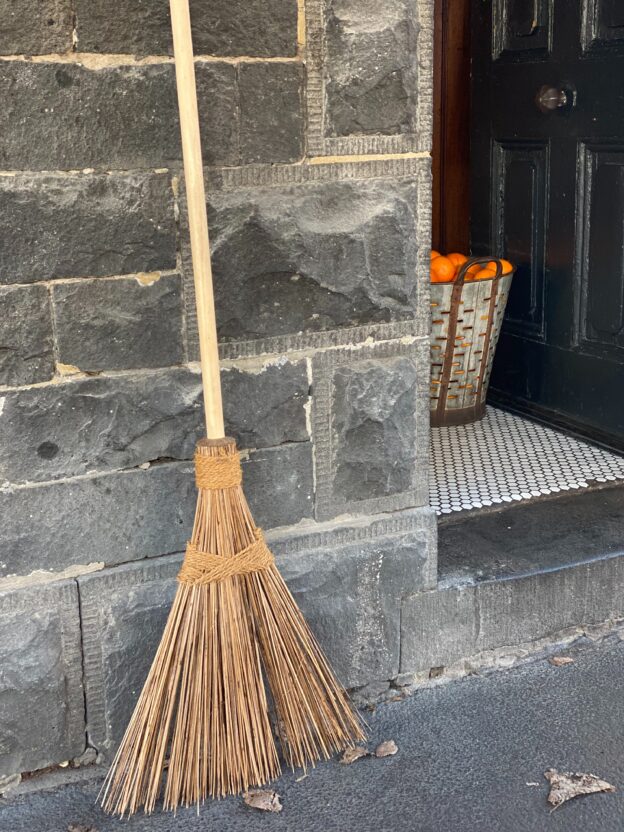
Do you like to clean? Ugh have to admit, I kinda despise it. But I enjoy an organized house, not so much the deep cleaning. So you ask why am I talking about cleaning in my couple’s counseling blog? Well who has heard the term:
Let’s just sweep it under the rug
I meet way too many people in therapy that just do that and unfortunately I meet them when there isn’t any room under that rug. How much room do you still have left under that rug? Do you sweep things away for a later date?
People with attention problems know that when you leave something for later, you rarely go back to it. In couples counseling, you can always go back and try to work on what isn’t working. You swept it under the rug and now it’s time to deal with it. I bet there are some of the same issues 15 years ago that there are today so you don’t have to pick up the rug because the problems just keep on recycling.
What do people say?
What are some catch phrases that I have heard over the years about the rug?
“Oh, we just wanted to wait until the little ones were older.”
“Working on our careers and putting our relationship on the backburner.”
“When problems arise, just throw money at it, and forget it.”
“All couples have problems so we will just accept that this is the way it should be.”
Regardless of the reason you aren’t dealing with your problems, and you talk to me, we can talk it through. Couples counseling is a great way to work through your problems especially if you feel stuck or that rug is overflowing. I don’t care about all the problems, I care if you want to work on your relationship, is that spark there or are you already done? If you’re done, that rug won but if you still want to work, then let’s do the hard work.
Ready to talk?
Whether you like to clean or not, relationships take work and lots of communication. If you don’t know how to communicate and just push things aside, learning can help you with figuring out how to deal with conflict. You don’t have to fix everything but you need to learn to communicate and work on fighting and especially making up. Because what’s the point of fighting over the same stuff if you’re not going to move forward.
So, how big is the pile under your rug? Let’s hear about it and start to make that pile smaller by talking through some of those conflicts in the therapy room.
Betrayal

I have seen such a shift in what the word betrayal means and how trust is broken down. It has definitely become a passion of mine to help couples understand that:
- You can repair your relationship after a betrayal and;
- Breaking trust is breaking trust. Your relationship defines what that means so if you feel as if you have been betrayed then guess what? You are correct.
Let’s break down some areas of betrayal that most people think are okay but in reality they aren’t.
- Porn– This one is okay as long as your partner knows what you are doing and doesn’t feel neglected because of you watching porn. If it is a secret then you are breaking trust by not sharing and um…. Why does it need to be a secret anyways?
- Social Media– This again can be innocent or not depending on how you are viewing things. If you are liking posts that your partner wouldn’t necessarily want you liking, yep that’s NOT okay. If you’re posting pictures of your family, your trips, etc yep that’s okay.
- Money– Yep, if i hear someone say that oh I bought something but have to hide it from my partner, the trust is broken. Don’t hide, just say it loud and clear!
- Friendships– If you have to hide your friendship for any reason, then there might be something that is going to happen. Better be open about who you are talking with and how often you are talking to them.
The gist of these things is that when you feel like you have to hide something from your partner, then you are potentially breaking trust. Just learn to share even if it is hard. If you feel that you’re doing something that will hurt your partner if they find out and that is the reason you are not sharing, well then you will eventually hurt your partner anyways.
Trust = Communication
I can’t say that loud enough, so I will say it again Trust=Communication.
Let’s not have any miss conception of values and intentions. Be open and honest and then we don’t have to worry about small betrayals leading to breaking trust.
Managing Conflict

Would it be surprising to hear that conflict is not a bad thing?
For most couples, the word conflict is synonymous with arguments, tension, and feeling frustrated with one another. Unfortunately, for many couples, this is exactly what the word conflict translates to in their relationship. However, when conflict is managed the right way, it doesn’t have to lead to a screaming match. Getting into an argument does not mean that the relationship is toxic or dysfunctional. It only turns that way when there is a communication breakdown. Fortunately, learning how to manage conflict for a healthier relationship effectively is possible.
How To Engage In Healthy Conflict
Show respect – even while in conflict
One of the basic foundations of a relationship is respect. Yes, you might become frustrated with one another, but screaming matches don’t help anything. Insulting each other or name-calling is never okay, either. After all, when was the last time that either resulted in the conflict being resolved peacefully? When one or both of you feel disrespected in any way, it inevitably leads to more conflict and tension. This often leads to an argument about one thing turning into something else entirely. Before you speak, take a step back to think about if what you want to say will result in mutual understanding and resolution. If you aren’t sure, it will likely be best to leave it unspoken for now.
Shift your statements
We all want our opinions to be heard. We want the other person to understand our side and perspective. Unfortunately, most of us don’t know how to articulate this correctly. What this results in are statements that are focused on them and not you. You may consider using “I Statements (wikipedia link)“. For example, you might say, “You never care about what I have to say,” which can be seen as very accusatory. Instead, shift this statement to, “I just feel like you never take me seriously or listen to me when I talk.” Do you see the difference? The second statement expresses how you feel about the situation. You are still saying what you need to, but in a way that won’t immediately cause your partner to become defensive.
Own up to your mistakes
Nobody is perfect. We all make mistakes and have slip-ups. We all have misunderstandings and say things that we regret later on. It’s hard to admit when we are wrong. In conflict, howoften do we only focus on what our partner did or said? It’s uncomfortable for humans to admit they also played a role in the tension and conflict. Part of conflict resolution is admitting to each other that you made a mistake. Apologize for your words and actions and ask them to forgive you. As a team, you can then move forward while being able to leave it in the past.
Look at the bigger picture
It’s common for most couples to get into arguments about household responsibilities. Many don’t realize they aren’t arguing about the dishwasher not being unloaded or the laundry needing to be washed. When couples argue about household responsibilities, it’s often a sign of something else entirely. It’s just a small tip of the iceberg showing above the surface. You can learn to have healthier conflict by taking a step back and thinking about why else you are arguing. Are you stressed because of work and taking it out on each other? Do you feel as if, overall, your partner isn’t pulling their weight with the household responsibilities?
Nobody wants to intentionally causes arguments with their partner. Instead, many smaller issues often pile up that cause couples to find themselves in a cycle of conflict. If you are not communicating effectively with your partner, feel free to reach out for couples therapy. Together, we can help you learn to manage conflict so it no longer becomes a source of stress and tension between you.