 11555 Heron Bay Blvd #242, Parkland, FL 33076

Tag Archives: arguments
Stop Fighting About the Dishes! (It’s Not About the Dishes)
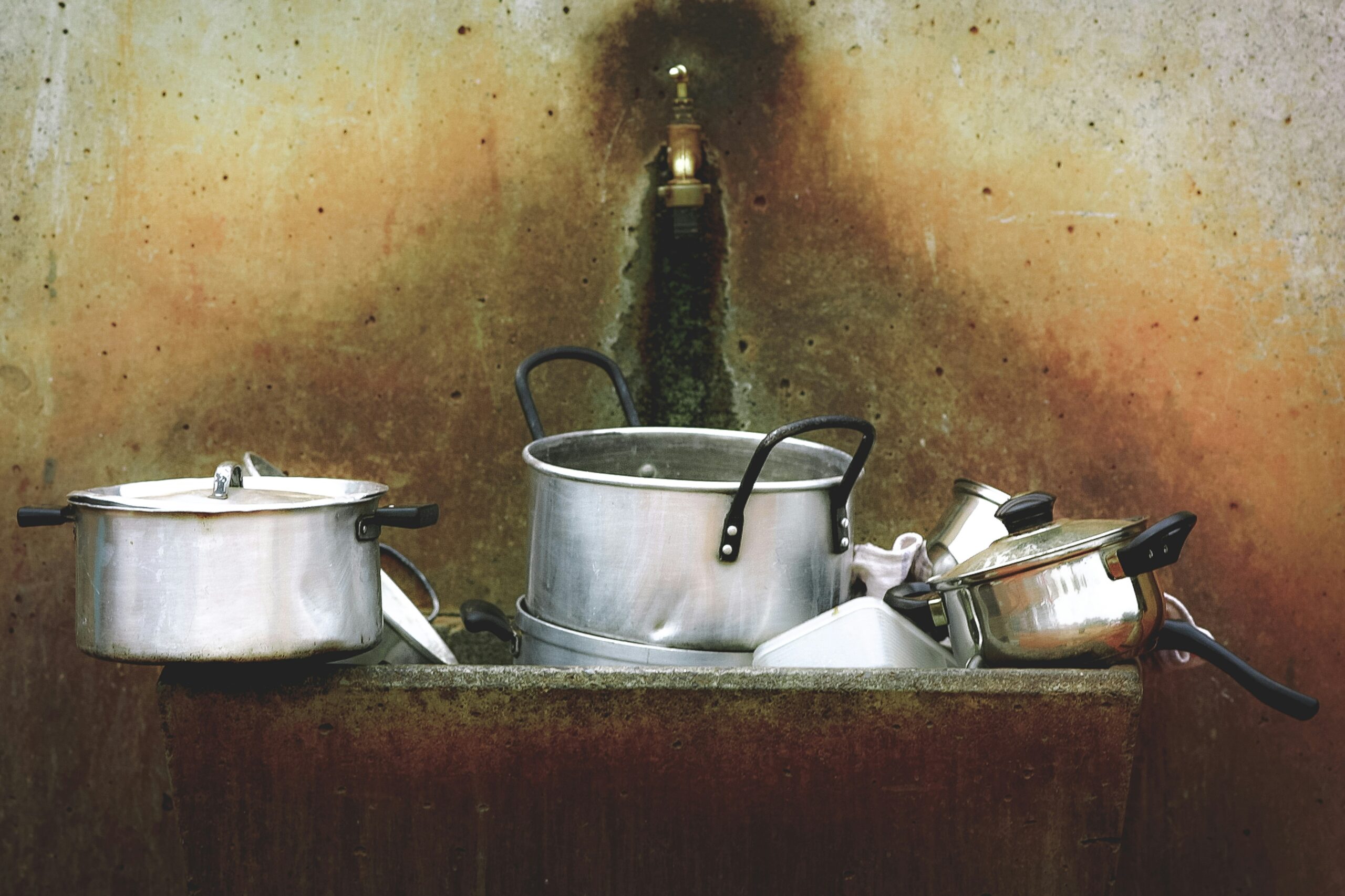

By a Couples Therapist Who’s Heard This Argument a Thousand Times
Are you tired of arguing about chores in your relationship? Let me explain why it’s rarely about the dishes—and how to break the cycle for good.
“It’s not that hard. Just put the dish in the dishwasher.”
Sound familiar?
If you’re in a relationship, chances are you’ve had some version of this argument—maybe more times than you’d like to admit.
One person feels like they’re doing all the work. The other person feels micromanaged. Voices rise. Someone storms off. And all because of… a cereal bowl?
But here’s the truth, from my therapist chair to your kitchen counter:
It’s not about the dishes. It’s about what the dishes represent.
It’s About Fairness, Not Forks
When one partner repeatedly leaves the sink full, it feels like a message:
- “I don’t respect your time.”
- “I expect you to clean up after me.”
- “Your needs aren’t as important as mine.”
Even if that’s not the intention, that’s often how it lands. And when that message is heard day after day, resentment starts to bubble.
This is why so many couples in therapy tell me, “We fight about stupid things.”
Spoiler alert: they’re never stupid. They’re just coded messages about deeper needs.
What’s Really Being Said
When you’re fuming over the dishes, try hitting pause and asking yourself:
“What am I actually needing right now that I’m not getting?”
It might be:
- Appreciation
- Support
- A break
- A sense of teamwork
- Emotional connection
When couples argue about chores, the subtext is usually:
“I feel alone in this partnership.”
But What If You’re the One Being Told to Do the Dishes?
Let’s flip it for a second.
If your partner’s mad about the dishes, and you find yourself thinking “Why are they overreacting?”—pause.
To them, it’s not just a dish. It’s a symbol of whether you notice them, care about the workload, or are showing up as a team player.
You don’t have to love doing chores to understand this:
In healthy relationships, partners look for ways to lessen each other’s burdens.
That doesn’t mean one person always picks up the slack—it means you both stay tuned in to what the other needs to feel supported.
So… How Do You Stop the Dish Wars?
Glad you asked. Here are a few therapist-approved strategies that work:
🧭 1. Shift From Blame to Curiosity
Instead of, “You never help,” try:
“When I see the dishes piling up, I feel overwhelmed and like I’m doing it alone. Can we talk about how to make this feel more balanced?”
📅 2. Create a Chore Plan (So You Don’t Have to Talk About It Every Day)
Resentment loves vagueness. Clarity kills it.
Whether it’s a shared checklist, alternating days, or certain “non-negotiables,” figure out a system that works for both of you.
🔄 3. Take Turns Picking Up the Slack
Life isn’t always 50/50. Sometimes it’s 80/20—then the other way around. The key is knowing when to step in rather than keeping score.
💬 4. Talk About the Meaning, Not Just the Mess
Say:
“I know it’s not just about the sink. Let’s talk about what’s really bothering us.”
This simple shift can unlock some very real, healing conversations.
💗 5. Appreciate the Effort
“I noticed you did the dishes—thank you.”
That sentence? It can melt tension like soap on a greasy pan.
Final Thoughts: Dishes Are Just the Doorway
Chore fights aren’t about who left the plate out—they’re about feeling seen, supported, and respected. When couples stop fighting about the dishes and start listening to the feelings beneath them, real change happens.
Because the truth is:
Your relationship matters more than a spotless sink.
Thinking about couples therapy?
Chore conflict might seem small, but if it’s part of a larger pattern of disconnection, it’s worth addressing. Therapy can help you uncover what’s really going on—and help you rebuild your partnership, one (clean) dish at a time.
How To Let Go Of Trying To Be The Perfect Partner

You know what they say — nobody’s perfect. But that doesn’t stop you from trying your darndest to be the absolute best partner. You go above and beyond to keep them happy. You give it your all daily, determined to be everything they want or need. But the truth is, all that pressure you put on yourself will only backfire. Trying to be perfect will take its toll, leaving you exhausted, frustrated, and like a failure when you inevitably fall short. So, how do you learn to relax? How do you ignore unrealistic expectations and focus on being yourself?
Why You Should Let Go of Trying to Be Perfect
Being in a relationship means accepting your partner as they are, flaws and all. Similarly, you should allow yourself the same grace. Here are a few reasons why you should release yourself from the need to be perfect:
- You’re setting unrealistic expectations. No one is perfect, so expecting that of yourself or your partner is unrealistic and unfair. Focus on appreciating each other as you are.
- It leads to anxiety and self-doubt. Constantly worrying that you’re not measuring up can fill you with anxiety, guilt, and feelings of inadequacy. Learn to accept yourself and embrace your imperfections.
- It creates distance in the relationship. If you’re always trying to hide your flaws and put on an act of perfection, you can’t achieve true intimacy and connection. Let your guard down and allow your partner to see the real you.
- You miss out on growth opportunities. Imperfection allows us to learn and grow. Accepting your flaws and shortcomings and those of your partner gives you room to learn from your mistakes, develop new skills, and become better people.
How to Embrace Imperfection and Deepen Your Connection
Let go of trying to be the “perfect” partner. The truth is, that’s a myth. Every relationship has its ups and downs, and every person has flaws, quirks, and imperfections. You’re going to make mistakes and bad decisions sometimes. Learn to forgive yourself. Your worth isn’t defined by your perceived flaws or shortcomings. Love yourself for who you are.
Stop Criticizing and Start Appreciating
When you try to be perfect, you are more prone to seeing the flaws in others. It’s easy to get caught up in criticizing your partner’s messy habits or tendency to be late. But criticism, no matter how constructive, erodes intimacy. Try to notice what you appreciate about your partner each day. Appreciate the joyful moments you share. Express gratitude for your partner and relationship. The good times far outweigh the bad if you try to notice them. Create more opportunities to bond over new experiences. Concentrate on developing your strengths and the qualities that make you a good partner.
Accept That You Will Disagree
No two people see eye to eye all the time. Learn to accept disagreement and conflict as a natural part of a healthy relationship. Stay calm and listen to each other rather than attacking or becoming defensive. Some of the deepest intimacy comes from working through challenges together. Learn to compromise by listening to other perspectives, finding common ground, and willingness to meet in the middle. A compromise that satisfies both parties is ideal. Know when to agree to disagree.
Embrace Vulnerability
Share your deepest fears, longings, and imperfections with your partner. Be fully yourself, without pretense or judgment. Make it safe for them to do the same. Vulnerability is the foundation of emotional intimacy and connection. When you embrace imperfection, drop your masks, and reveal your true selves to each other — that’s where the magic happens.
We all want to be the perfect partner, but trying too hard to be flawless only leads to anxiety, resentment, and feeling like a fraud. No one is perfect, so stop putting pressure on yourself and your relationship. Book an appointment with us, and we’ll provide an outside, unbiased perspective to help you work through challenges together.
Healthy Conflict Can Create a Healthy Relationship

Healthy conflict seems like an oxymoron. After all, how can any type of conflict be good? While it may seem odd to say it, conflict in a relationship can be a good thing! You just need to know how to do it right.
Even though you and your partner mesh well and may share similar interests or hobbies, you are still two individual people. You may have a life together, but you also have your own things going on, such as careers or other obligations. Factoring all of this in, not knowing how to communicate with each other can be a recipe for disaster. All couples face these issues, especially the longer they are together.
If you are tired of repeating the same arguments and tension cycles, healthy conflict can create a better relationship. Here’s how to start.
How To Have Healthy Conflict In A Relationship
Be Honest, But Not Cruel
Let’s face it: we all experience times when our partner frustrates us. They may do or say things we wish they wouldn’t, or don’t, for that matter. We get into little arguments over seemingly pointless and dumb stuff that really doesn’t matter.
When facing stress and tension in our lives, we often blurt out how we feel or what we think about a certain situation. While you should always be honest with each other, there are better ways to go about it.
It may seem elementary to say this, but think before you speak. Instead of saying the first thing that comes to your mind, pause and ask yourself, “Is what I’m about to say going to help the situation? How will my partner take this? Am I speaking from a place of honesty or anger?”
Listen Without Needing to Speak
We all want to be seen and heard by the people in our lives. Keep this in mind: your partner feels the same exact way. While you are in a discussion about something or disagreeing, listen to them and resist the urge to speak. That means trying not to interrupt them until they are finished.
You should still try to give cues that you are listening, such as nodding your head or even saying something like, “I understand.” But you should only interject if what you are going to say shows you are really listening. You’ll have time to say what you need to say!
Not interrupting each other can help conflict stay healthy instead of a screaming match when you are just talking over one another.
Treat Each Other With Respect
When communicating with each other, remember that you should always be respectful towards your partner in how you speak to them. That means you should avoid things like name-calling, belittling, or blaming them outright.
Shifting your language can also go a long way to ensure conflict stays healthy. For instance, your instinct may be to say something like, “You never listen to me!” Here, this can come off as accusatory and may cause them to become defensive. Instead, switch the language so it expresses how you feel. “I feel as if you haven’t been listening to me lately.” It is saying the same thing, essentially, but the approach is less accusatory.
How Therapy Can Help
It’s not easy to admit that you or your relationship is struggling. If we’re being honest, every relationship goes through ebbs and flows that test it. With that said, though, if you are finding yourselves in a toxic cycle of arguing, don’t be afraid to reach out for help through couples therapy or marriage counseling.
You can learn effective communication skills while getting to the root cause of the most tension and stress in your relationship.
Managing Conflict

Would it be surprising to hear that conflict is not a bad thing?
For most couples, the word conflict is synonymous with arguments, tension, and feeling frustrated with one another. Unfortunately, for many couples, this is exactly what the word conflict translates to in their relationship. However, when conflict is managed the right way, it doesn’t have to lead to a screaming match. Getting into an argument does not mean that the relationship is toxic or dysfunctional. It only turns that way when there is a communication breakdown. Fortunately, learning how to manage conflict for a healthier relationship effectively is possible.
How To Engage In Healthy Conflict
Show respect – even while in conflict
One of the basic foundations of a relationship is respect. Yes, you might become frustrated with one another, but screaming matches don’t help anything. Insulting each other or name-calling is never okay, either. After all, when was the last time that either resulted in the conflict being resolved peacefully? When one or both of you feel disrespected in any way, it inevitably leads to more conflict and tension. This often leads to an argument about one thing turning into something else entirely. Before you speak, take a step back to think about if what you want to say will result in mutual understanding and resolution. If you aren’t sure, it will likely be best to leave it unspoken for now.
Shift your statements
We all want our opinions to be heard. We want the other person to understand our side and perspective. Unfortunately, most of us don’t know how to articulate this correctly. What this results in are statements that are focused on them and not you. You may consider using “I Statements (wikipedia link)“. For example, you might say, “You never care about what I have to say,” which can be seen as very accusatory. Instead, shift this statement to, “I just feel like you never take me seriously or listen to me when I talk.” Do you see the difference? The second statement expresses how you feel about the situation. You are still saying what you need to, but in a way that won’t immediately cause your partner to become defensive.
Own up to your mistakes
Nobody is perfect. We all make mistakes and have slip-ups. We all have misunderstandings and say things that we regret later on. It’s hard to admit when we are wrong. In conflict, howoften do we only focus on what our partner did or said? It’s uncomfortable for humans to admit they also played a role in the tension and conflict. Part of conflict resolution is admitting to each other that you made a mistake. Apologize for your words and actions and ask them to forgive you. As a team, you can then move forward while being able to leave it in the past.
Look at the bigger picture
It’s common for most couples to get into arguments about household responsibilities. Many don’t realize they aren’t arguing about the dishwasher not being unloaded or the laundry needing to be washed. When couples argue about household responsibilities, it’s often a sign of something else entirely. It’s just a small tip of the iceberg showing above the surface. You can learn to have healthier conflict by taking a step back and thinking about why else you are arguing. Are you stressed because of work and taking it out on each other? Do you feel as if, overall, your partner isn’t pulling their weight with the household responsibilities?
Nobody wants to intentionally causes arguments with their partner. Instead, many smaller issues often pile up that cause couples to find themselves in a cycle of conflict. If you are not communicating effectively with your partner, feel free to reach out for couples therapy. Together, we can help you learn to manage conflict so it no longer becomes a source of stress and tension between you.
Is it really over?

How has your summer been? Are you finding time to connect? Is life as crazy as ever or do you find more time to spend together? I’m hoping that its finding more time to spend together!
If you are spending more time together, is it fun? Are you arguing more? Do you notice that you have the same arguments about the same few things?
No, I’m not a mind reader, but most of us do this (Yes, me included.) When you are with someone, you inherit their problems, well there are problems to you and might not be to them. Regardless it makes you fight and when you do fight, how do you know that fight is completely done? Umm, not sure? Let’s talk about it.
I talk a lot about triggers with my couples and your core and what is really important to you. Meaning what will get you to fight and what can you let go? For me, it’s a lot about respect and feeling cherished. If I’m feeling those two things then I can let others go. If I’m not, then it seems as if the nit picking is through the roof!
So, how do you know that a fight is truly behind you?
Just the facts
Can you agree to just agree on this one? Are you sure? If your giving in, that’s not the same as agreeing so if you’re calm and talking about facts that’s a good sign!
Code words
Love can be complicated for sure and that includes fighting. If you have repeat fights over and over again, how about you come up with a code word to alert each other when that’s happening. Start to notice when you get into that pattern.
All the triggers
Once you know your triggers, you can figure out what you’re doing right and what you’re doing wrong. Remember it’s all within you. Your partner is not making you upset, you’re upset about something. Keep a record of what upsets you and try to be mindful of them.
Calm talking
Once you both have calmed down, sit down and talking about what happened. Talk about emotions, your perspective, your triggers, how you can take responsibility and what you are sorry about. Doing this whole process will help you truly move past this incident.
Is this easy?
Nope, no way, no how and nada. Truly moving past an argument that you have time and time again will help you learn how to work on the good stuff, stay connected and want to spend more quality time with each other!
How Do You Say You’re Sorry?

How Do You Say You’re Sorry?
I’m blessed to have 2 elementary age children who are at school for 6 hours a day. I can get stuff done, exercise and of course, work on my business. When my children walk through the door, my world shifts and I don’t always know what I’m getting myself into when they come home.Read More
Relationship Styles: Which one are you?

Relationship Styles
Okay, we have all heard the term “opposites attract” and when they do, conflict arises because you have two people that look at life/relationship styles. Let’s learn a bit about the different relationship styles and find out which one fits best for you!
Conflict-Avoider Style: Generally prefers little disagreement. If there is a issue, prefers to discuss the issue completely, but not try to influence partner or persuade partner or be persuaded by the partner. Feels that the passage of time will often solve problems. Will drop the topic or just agree to disagree. Generally feels that anger is a dangerous emotion and believes in protecting the relationship from anger. Believes it is best not to dwell much on the negative in life, but to roll with the punches and emphasizes the positive. Prefers having traditional roles in the relationship. Often does things separately.
Volatile Style: Enjoys a good debate and argument. It is fun, and there is a lot of humor and teasing and affection in a good discussion. Values being direct and honest, even if this is sometimes painful. Also prefers doing a lot of things separately. Definitely things that the expression of anger and most emotions is healthy and natural in a relationship.
Validating Style: Values togetherness above all things in the relationship. Prefers arguing about some things, but not a lot. Values listening before trying to persuade one another. Places a high value on compromise. Believes in expressing anger, but is very careful to buffer partner from too much anger.
Yes, you can be a combination of one, two or even all three. The important point here is that both you and your partner need to know how each other deals with conflicts and which style fits your personality and based on your style is how you deal with conflicts.
Which style are you?
The Art of Compromise

I have been thinking about compromise lately because as a marriage and family therapist I have the pleasure of working with couples and one problem that some couples have is compromise. To really compromise it is not about one person winning and the other losing its about both people getting what they really want. Let me explain through an example:
In this relationship one partner is a doer and one is a thinker/planner. When things need to get done the doer wants it done and the planner wants to plan. Neither way is wrong and it is actually healthy to have that mix in their relationship in order to function but as you could guess it causes lots of arguments. When the doer wants something done lets say fixing a shower door. Where should the compromise be in this?
To fully compromise the doer should get a date that it can be done by and the planner can give that date and do the research to make it a great job! Both get what they want which is a shower door and neither have to fully compromise on who they are. That is the basis of all of this, is that when you are compromising who you are meaning giving in too much you loose yourself in your relationship. Communication needs to be changed and compromise needs to be mutually beneficial to both parties in the relationship to avoid all of those conflicts that couple’s love to have!
Compromise and communication are the main components of making a relationship work. Can anyone think of any other components that make a relationship work?