 11555 Heron Bay Blvd #242, Parkland, FL 33076

The Influence of Family Background and Romantic Compatibility
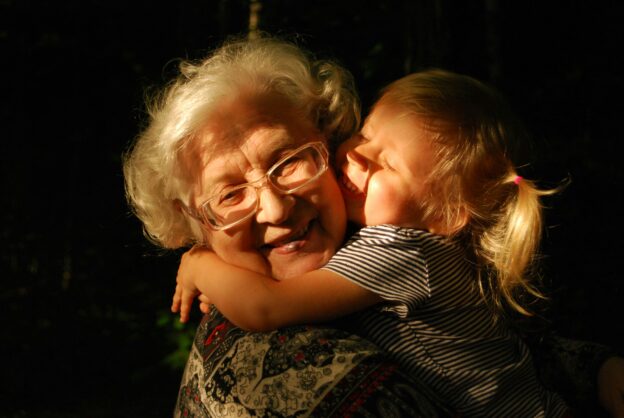

While physical attraction and shared interests certainly play a role, research suggests that family background differences also impact a partnership’s longevity and success. The values and communication styles modeled in your family of origin significantly impact your choice of romantic partner.
If you grew up in a family openly discussing emotions, you may seek a partner who can communicate feelings easily. Conversely, if your family avoids emotional expression, you may feel most comfortable with a less expressive partner. Individuals from cultures that emphasize traditional gender roles often look for partners who will fulfill the complementary role. Those from cultures that espouse egalitarian relationships tend to seek partners with a similar outlook.
Relationship Dynamics
The communication patterns you observe within your family unit often translate to your romantic relationships.
Communication Habits
How your family communicated with one another in your formative years shapes your expectations and habits within your romantic partnerships. If your family was open, honest, and expressive, you likely value emotional intimacy and vulnerability in your relationships. Conversely, if your family is more reserved, you may struggle opening up to romantic partners or have difficulty broaching sensitive subjects.
Conflict Resolution
How your family navigated disagreements and interpersonal conflicts provides a model for approaching differences of opinion with your partner. You have well-developed conflict-resolution skills if your family can have constructive arguments and come to mutually agreeable solutions. However, suppose anger and aggression characterized disputes in your family of origin. In that case, you may have an adversarial approach to navigating conflicts with your partner or avoid disagreements altogether due to discomfort.
Expressing Affection
How your family expressed care, warmth, and affection toward one another shapes your own expression of affection in relationships. If your family was openly affectionate, you likely value physical intimacy and words of affirmation from your partner. If affection in your family is more restrained, you may struggle to express emotion or feel uncomfortable receiving loving gestures from your partner. However, these dynamics are complex, and there are many exceptions to these general patterns.
Attachment Styles
Your attachment style refers to how you relate to people in close relationships. It is shaped by your interactions with caregivers during infancy and childhood. Knowing your attachment style and your partner’s can help strengthen your connection.
Secure Attachment
If you had sensitive and responsive caregivers, you likely developed a secure attachment style. You feel comfortable with intimacy and independence, and you trust that your partner will be there for you when needed.
Anxious Attachment
If your caregivers are inconsistent or unresponsive, you may have an anxious attachment style. You crave intimacy and worry about being abandoned. You may come across as clingy or jealous in relationships.
Avoidant Attachment
If your caregivers were distant or rejecting, you probably have an avoidant attachment style. You value independence over closeness and have difficulty trusting others. You may seem aloof or dismissive in relationships.
Assessing Compatibility — Going Beyond Surface-Level Connection
To determine whether a romantic connection will endure, you must evaluate compatibility on a deeper level.
Shared values and life goals. Do you have a similar outlook on major life decisions like marriage, children, finances, and careers? Aligning these fundamental areas establishes a strong foundation for a long-term relationship.
Communication style. Discussing challenging topics respectfully and finding compromise requires compatible communication approaches. Consider how you handle conflict, express affection, share details of your life, and engage in meaningful conversations.
Emotional and intellectual rapport. The strongest relationships are built on mutual understanding, support, and stimulation. Assess how well you connect emotionally and intellectually. Can you openly share feelings, pursue common interests, and challenge each other positively?
Commitment to personal growth. In order to thrive, relationships require continuous work and commitment to individual development. Consider each other’s willingness for self-improvement and ability to change behaviors damaging the relationship. With compatible dedication, you can evolve together in a healthy partnership.
As you navigate relationships, remember that shared values and life goals with your partner are just as critical to long-term success. Book marriage or premarital counseling today to learn how to take your relationship to another level.