 11555 Heron Bay Blvd #242, Parkland, FL 33076

Stop Fighting About the Dishes! (It’s Not About the Dishes)
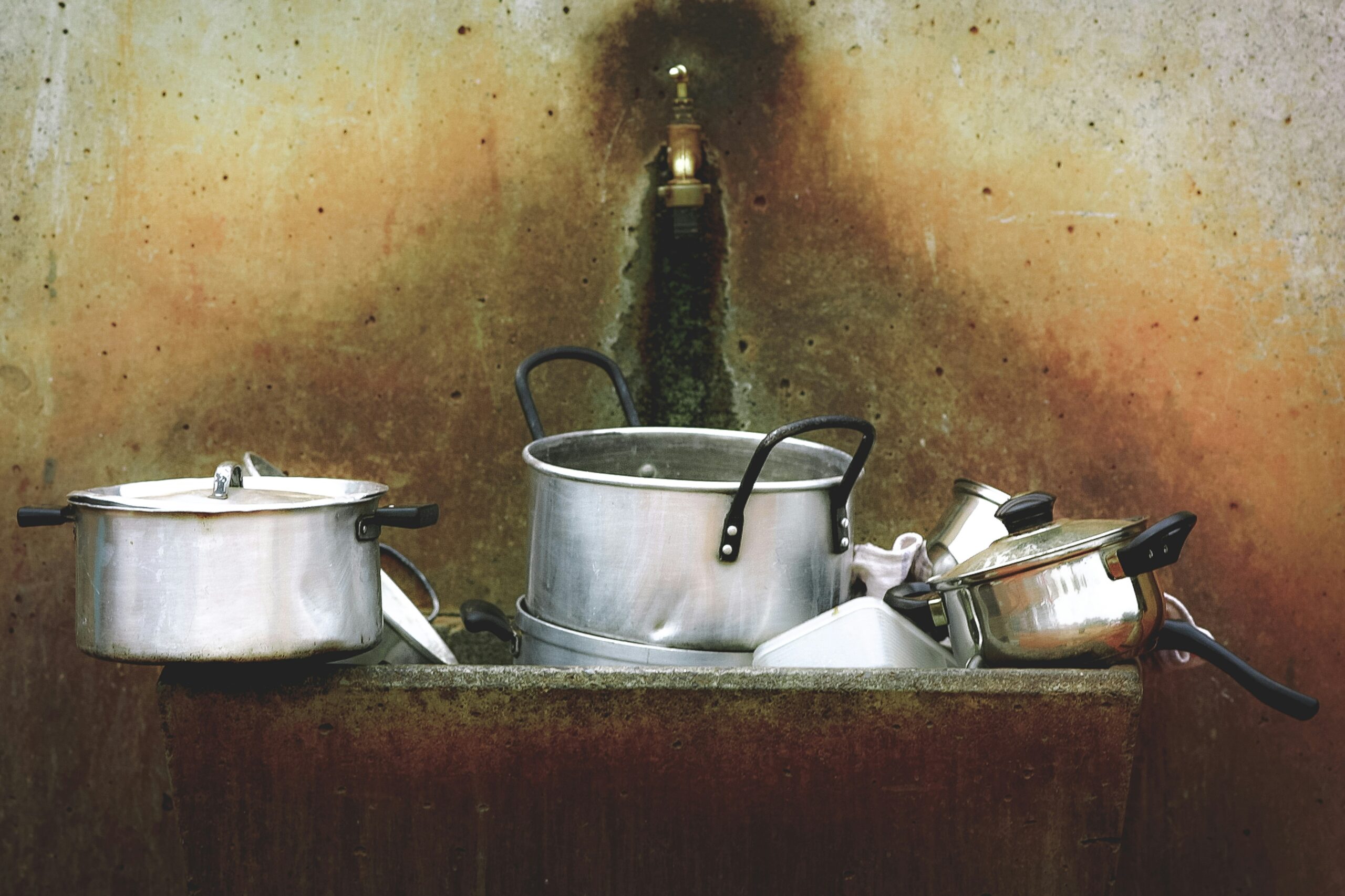

By a Couples Therapist Who’s Heard This Argument a Thousand Times
Are you tired of arguing about chores in your relationship? Let me explain why it’s rarely about the dishes—and how to break the cycle for good.
“It’s not that hard. Just put the dish in the dishwasher.”
Sound familiar?
If you’re in a relationship, chances are you’ve had some version of this argument—maybe more times than you’d like to admit.
One person feels like they’re doing all the work. The other person feels micromanaged. Voices rise. Someone storms off. And all because of… a cereal bowl?
But here’s the truth, from my therapist chair to your kitchen counter:
It’s not about the dishes. It’s about what the dishes represent.
It’s About Fairness, Not Forks
When one partner repeatedly leaves the sink full, it feels like a message:
- “I don’t respect your time.”
- “I expect you to clean up after me.”
- “Your needs aren’t as important as mine.”
Even if that’s not the intention, that’s often how it lands. And when that message is heard day after day, resentment starts to bubble.
This is why so many couples in therapy tell me, “We fight about stupid things.”
Spoiler alert: they’re never stupid. They’re just coded messages about deeper needs.
What’s Really Being Said
When you’re fuming over the dishes, try hitting pause and asking yourself:
“What am I actually needing right now that I’m not getting?”
It might be:
- Appreciation
- Support
- A break
- A sense of teamwork
- Emotional connection
When couples argue about chores, the subtext is usually:
“I feel alone in this partnership.”
But What If You’re the One Being Told to Do the Dishes?
Let’s flip it for a second.
If your partner’s mad about the dishes, and you find yourself thinking “Why are they overreacting?”—pause.
To them, it’s not just a dish. It’s a symbol of whether you notice them, care about the workload, or are showing up as a team player.
You don’t have to love doing chores to understand this:
In healthy relationships, partners look for ways to lessen each other’s burdens.
That doesn’t mean one person always picks up the slack—it means you both stay tuned in to what the other needs to feel supported.
So… How Do You Stop the Dish Wars?
Glad you asked. Here are a few therapist-approved strategies that work:
🧭 1. Shift From Blame to Curiosity
Instead of, “You never help,” try:
“When I see the dishes piling up, I feel overwhelmed and like I’m doing it alone. Can we talk about how to make this feel more balanced?”
📅 2. Create a Chore Plan (So You Don’t Have to Talk About It Every Day)
Resentment loves vagueness. Clarity kills it.
Whether it’s a shared checklist, alternating days, or certain “non-negotiables,” figure out a system that works for both of you.
🔄 3. Take Turns Picking Up the Slack
Life isn’t always 50/50. Sometimes it’s 80/20—then the other way around. The key is knowing when to step in rather than keeping score.
💬 4. Talk About the Meaning, Not Just the Mess
Say:
“I know it’s not just about the sink. Let’s talk about what’s really bothering us.”
This simple shift can unlock some very real, healing conversations.
💗 5. Appreciate the Effort
“I noticed you did the dishes—thank you.”
That sentence? It can melt tension like soap on a greasy pan.
Final Thoughts: Dishes Are Just the Doorway
Chore fights aren’t about who left the plate out—they’re about feeling seen, supported, and respected. When couples stop fighting about the dishes and start listening to the feelings beneath them, real change happens.
Because the truth is:
Your relationship matters more than a spotless sink.
Thinking about couples therapy?
Chore conflict might seem small, but if it’s part of a larger pattern of disconnection, it’s worth addressing. Therapy can help you uncover what’s really going on—and help you rebuild your partnership, one (clean) dish at a time.